Water damage rarely gives you any warning. A burst pipe overnight, a storm that overwhelms the roof, or a faulty appliance can flood your premises in minutes. One moment everything is normal, and the next you are standing in a workplace with soaked carpet and rising panic. What you do in the first 24 hours makes an enormous difference. Fast, calm action limits the destruction, while hesitation lets the damage spread. This guide walks you through exactly what to do, and it explains why professional water damage restoration in Canberra is the smartest response when disaster strikes.
At AUZI Facility Management, we respond to flood and water emergencies across Canberra, Queanbeyan and Sydney. We have seen how quickly a small leak can turn into a major loss, and we have also seen how a fast response can save a property. In this article we share the immediate steps that protect your safety and your building, the mistakes to avoid, and the point at which you need to call in professionals. Whether the water comes from a storm, a plumbing failure or an appliance, the principles are the same, and knowing them in advance keeps you ready.
Why the First 24 Hours Are So Critical
Water is relentless, and it does its worst work quickly. In the first few hours, it soaks into carpets, subfloors, plasterboard and furniture, spreading far beyond the original spill. The longer it sits, the deeper it penetrates and the harder it becomes to remove. This is why the opening 24 hours are the decisive window. Act fast, and you may save your flooring and fixtures. Delay, and you invite far more serious and expensive problems.
The biggest hidden threat is mould, which can begin to grow within 24 to 48 hours of a surface staying wet. Once mould takes hold, it spreads through wall cavities and under floors, and it creates health risks alongside structural damage. Standing water also weakens materials, damages electrical systems and ruins stock or equipment. Prompt water damage restoration in Canberra stops this chain of events before it gains momentum, and that is why speed matters more than almost anything else.
Step One: Prioritise Safety Above Everything
Before you rush to save the carpet, stop and think about safety. Water and electricity are a dangerous combination, and floodwater can hide serious hazards. Your first job is to make sure nobody is at risk. Property can be repaired or replaced, but people cannot, so this step always comes first no matter how urgent the cleanup feels.
- Turn off the electricity at the mains if it is safe to reach, and never enter a flooded room while the power is still on.
- Avoid contact with floodwater that may be contaminated, especially if it comes from sewage or storm drains.
- Watch for slip hazards, weakened floors and falling debris, and keep everyone clear of unstable areas.
- Do not use electrical appliances that have been wet until a qualified professional has checked them.
- Evacuate the area if there is any doubt about structural safety, and wait for expert assessment.
Once you are confident the area is safe, you can begin to tackle the water itself. If at any point you are unsure whether a space is safe to enter, stay out and call for professional help. No piece of furniture or equipment is worth an injury, and a trained restoration team has the protective gear and knowledge to work safely in conditions that are hazardous for others.
Step Two: Stop the Source of the Water
You cannot begin cleaning up while water is still pouring in. The next priority is to stop the flow at its source. Where the water is coming from determines how you do this, so identify the cause as quickly as you safely can. Stopping the source turns an ongoing disaster into a fixed problem you can now start to resolve.
If a burst pipe or plumbing failure is to blame, shut off the water at the main valve, which every building should have in a known location. For an overflowing appliance such as a dishwasher or hot water system, turn off its individual supply and power. Storm and roof leaks are harder to stop entirely, but you can limit the damage by moving items away and containing the water with buckets or towels. The faster you cut off the source, the sooner the water damage restoration in Canberra can begin in earnest.
Step Three: Document Everything for Insurance
It is tempting to start cleaning immediately, but take a few minutes first to document the damage. Your insurer will need evidence of what happened, and photographs taken before cleanup are invaluable. This small step protects your claim and can make the difference between a smooth payout and a frustrating dispute. Once the water is gone, you cannot recreate the proof of what it destroyed.
Use your phone to photograph and video everything affected, from the flooded floors to damaged furniture, stock and equipment. Capture wide shots of each room and close-ups of specific damage. Keep any receipts for emergency repairs and note the time and cause of the flood if you know it. Contact your insurer as early as possible to report the incident, because many policies have strict timeframes for notification. Good documentation supports your claim and helps the whole recovery move faster.
Step Four: Remove Water and Start Drying
With the source stopped and the damage recorded, the focus shifts to removing water and drying the space. The goal is to get everything as dry as possible, as fast as possible, because lingering moisture is what causes mould and lasting damage. Speed here directly affects how much you can save, so do not wait for conditions to improve on their own.
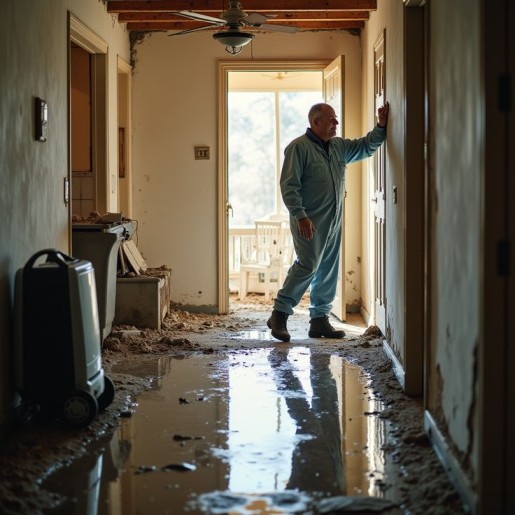
For small amounts of water, mops, towels and a wet-and-dry vacuum can make a start. Open windows and doors to improve airflow, and use fans to circulate air across wet surfaces. Move furniture and belongings to a dry area to protect them and to expose the floor. However, surface drying rarely reaches the water trapped in subfloors, wall cavities and under carpet. This is precisely where professional water damage restoration in Canberra makes the difference, using industrial extraction and drying equipment that home methods simply cannot match.
When to Call the Professionals
Some water incidents are small enough to handle yourself, such as a minor spill caught immediately. Most flood and serious water events, however, need professional help. The reason is simple. Water hides where you cannot see it, and only specialist equipment can find and remove it completely. A restoration team brings powerful extraction units, industrial dehumidifiers, air movers and moisture meters that reveal hidden dampness long after the surface looks dry.
Professionals also understand the risks that follow water damage, from mould growth to structural weakening and contamination. They know how to dry a building properly so problems do not resurface weeks later. If your premises have suffered a flood, sewage backup or any significant water intrusion, calling experts quickly is the safest and most cost-effective choice. Our team provides rapid response across the region, and this kind of emergency is exactly what our broader facility management services are built to handle.
The Professional Water Damage Restoration Process
Understanding what professionals actually do helps you appreciate why their work is so thorough. Water damage restoration in Canberra follows a proven sequence designed to return your property to its pre-loss condition. Each stage builds on the last, and skipping any of them risks leaving hidden moisture behind. Knowing the process also helps you understand what to expect when a team arrives.
- Inspection and assessment, using moisture meters and thermal imaging to map exactly where the water has spread.
- Water extraction, using powerful pumps and vacuums to remove standing water quickly.
- Drying and dehumidification, with industrial air movers and dehumidifiers that pull moisture from materials and air.
- Cleaning and sanitising, to remove contamination and prevent mould and odours from taking hold.
- Restoration and repairs, returning the property to its original condition and replacing anything beyond saving.
This structured approach ensures nothing is missed. The moisture mapping at the start is especially important, because it reveals water that has travelled into places you would never think to check. By treating the whole affected area rather than just the visible damage, professionals prevent the slow, hidden decay that catches so many property owners out months later.
The Danger of Hidden Moisture and Mould
The water you can see is only part of the problem. The real danger often lies in the moisture you cannot see. Water wicks upward into walls, spreads sideways under flooring and pools in cavities where air never reaches. This trapped moisture dries very slowly on its own, and while it lingers it creates the perfect conditions for mould. That is why surface drying alone is never enough after a serious flood.
Mould is more than an unpleasant sight. It damages building materials, produces musty odours and releases spores that can trigger allergies and respiratory problems. Once it establishes itself inside walls and floors, removing it becomes a major job. The only reliable way to prevent it is to dry the structure completely and quickly, which requires the moisture detection and drying power that professionals bring. Preventing mould is far easier and cheaper than removing it after the fact.
Preventing Water Damage Before It Happens
While you cannot control the weather, you can reduce your risk of water damage with sensible preparation. A little prevention makes a flood less likely and less severe if one does occur. These measures are simple, and they cost far less than the disruption of a major water event. Building them into your regular maintenance is one of the smartest things a property owner can do.
- Inspect plumbing regularly and repair small leaks before they become bursts.
- Clear gutters and downpipes so storm water drains away instead of pooling on the roof.
- Check the roof and seals for damage, especially before storm season.
- Know where your main water shut-off valve is, and make sure staff know too.
- Service appliances such as hot water systems and dishwashers that are common sources of indoor flooding.
Regular maintenance is your best defence against water damage. A proactive facility management approach catches the small problems that lead to big floods, and it keeps your property protected year-round. Prevention will not stop every storm, but it dramatically reduces both the odds and the impact of a water emergency.
Understanding the Three Categories of Water Damage
Not all water is the same, and restoration professionals classify it into three categories based on how contaminated it is. Knowing the difference matters, because it changes how the cleanup must be handled and how dangerous the water is to your health. What looks like a simple flood may actually carry serious contamination, so this classification guides every decision that follows.
Category one is clean water from a source such as a broken supply pipe or an overflowing sink with no contaminants. It poses little immediate health risk, but it can degrade into a worse category if it is left to sit. Category two, often called grey water, contains some contamination and may come from appliances like dishwashers or washing machines. It can cause illness if swallowed and needs careful handling. Category three, known as black water, is highly contaminated and includes sewage backups and floodwater from rivers or storms. This water carries bacteria and other hazards, and it demands full professional treatment with proper protective equipment.
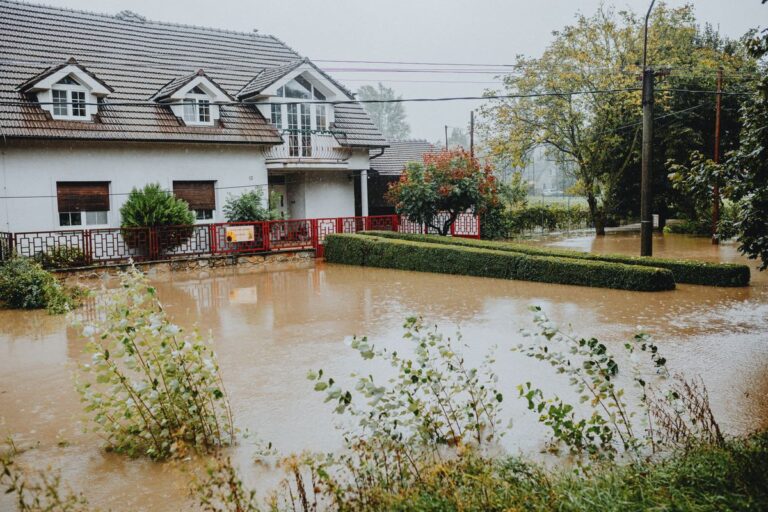
The trouble is that water can move between categories over time. Clean water left standing for a day or two can become grey or even black as it picks up contaminants and bacteria. This is another reason speed matters so much. The sooner clean water is removed, the less likely it is to turn into a serious health hazard, and the simpler and safer the whole restoration becomes.
Protecting Your Business Continuity After a Flood
For a business, water damage is about more than the building itself. It is about the disruption to your operations, your staff and your customers. A flooded office or shopfront can halt trading, and every day of closure has a real cost. Thinking about business continuity from the outset helps you recover faster and limit the financial impact of the event.
As soon as the immediate emergency is under control, turn your attention to keeping the business running. Identify what you need to operate, whether that is relocating staff temporarily, salvaging key equipment or setting up elsewhere while restoration takes place. Communicate clearly with your team and your customers about what to expect. A fast, well-managed restoration shortens the disruption, which is another strong argument for bringing in professionals who can work quickly and thoroughly.
Having a plan before disaster strikes makes all of this far easier. Businesses that know their shut-off points, keep insurance details handy and have a trusted restoration contact recover much faster than those scrambling to work it out mid-crisis. A little forethought turns a potential catastrophe into a manageable setback, and it protects the livelihood that your premises support.
Why Local Response Time Matters in Canberra
When it comes to water damage, distance equals damage. Every minute that passes while you wait for help allows the water to spread and soak deeper. This is why a local restoration team is such an advantage. A provider based in and around Canberra can reach your property quickly, and that speed translates directly into less damage and lower repair costs.
Local teams also understand the conditions specific to the region, from the storm patterns to the common building types and their vulnerabilities. They can navigate quickly to your location and arrive with the right equipment ready to go. When you are standing in a flooded property watching the damage grow, the last thing you want is to wait hours for a crew from far away. Choosing a local partner in advance means help is close when you need it most, and it gives you one less thing to worry about during an emergency.
Common Causes of Water Damage in Commercial Properties
Understanding where water damage usually comes from helps you stay alert to the warning signs. In commercial buildings, a handful of causes account for most incidents, and many of them build up quietly before failing. Recognising these common culprits lets you catch problems early and reduce the chance of a sudden flood catching you off guard.
Plumbing failures are among the most frequent, from aging pipes that corrode and burst to fittings that work loose over time. Roof and gutter issues are another major source, especially during heavy storms when blocked drainage sends water pouring into the building. Faulty appliances such as hot water systems, dishwashers and air-conditioning units can leak or overflow, sometimes overnight when nobody is present. Storm and flash flooding round out the list, particularly for ground-floor and basement spaces that sit low in the landscape.
The common thread is that most of these causes give subtle hints before they escalate. A small damp patch, a faint musty smell or a minor drip can all be early warnings of a larger problem waiting to happen. Paying attention to these signs, and acting on them promptly, is often the difference between a quick repair and a full-scale water damage restoration in Canberra. Vigilance costs nothing, and it can save you an enormous amount of trouble.
Frequently Asked Questions
How quickly do I need to act after water damage?
You should act immediately, ideally within the first few hours. Mould can begin growing within 24 to 48 hours of a surface staying wet, and materials absorb more water the longer it sits. The faster you stop the source, remove the water and start drying, the more of your property you can save. Calling a professional restoration team early gives you the best possible outcome.
Can I just dry out the water myself?
For a very small, clean spill caught straight away, simple drying may be enough. For a flood or any significant water event, do-it-yourself drying rarely reaches the moisture trapped in subfloors and walls. That hidden dampness is what causes mould and long-term damage. Professional equipment detects and removes moisture that surface methods leave behind, which is why expert help is usually the safer choice.
Will my insurance cover water damage restoration?
Coverage depends on your specific policy and the cause of the damage, so check with your insurer as soon as possible. Many policies cover sudden events such as burst pipes, while gradual damage from unaddressed leaks may not be covered. Documenting the damage with photos before cleanup and reporting the incident promptly gives your claim the best chance of success.
How long does professional water damage restoration take?
The timeframe varies with the extent of the damage. Water extraction can often be done in a day, while thorough drying typically takes several days depending on how much moisture has penetrated the structure. Repairs and restoration add more time on top of that. A professional team will assess your situation and give you a realistic timeline once they have mapped the full extent of the damage.
Fast, Professional Water Damage Restoration in Canberra
A flood or water emergency is stressful, but you do not have to face it alone. The first 24 hours are critical, and the steps in this guide will help you protect your safety, limit the damage and set up the fastest possible recovery. For anything beyond a minor spill, professional restoration is the surest way to save your property and prevent the hidden problems that water leaves behind.
AUZI Facility Management provides rapid, professional water damage restoration in Canberra, Queanbeyan and Sydney. Our IICRC-certified team uses industrial-grade extraction and drying equipment to remove water, prevent mould and restore your property properly. When water strikes, every minute counts. Call us today on 1300 816 699, email info@auzifacilitymanagement.com.au, or request a free quote, and let our team get your premises back to normal as quickly as possible.