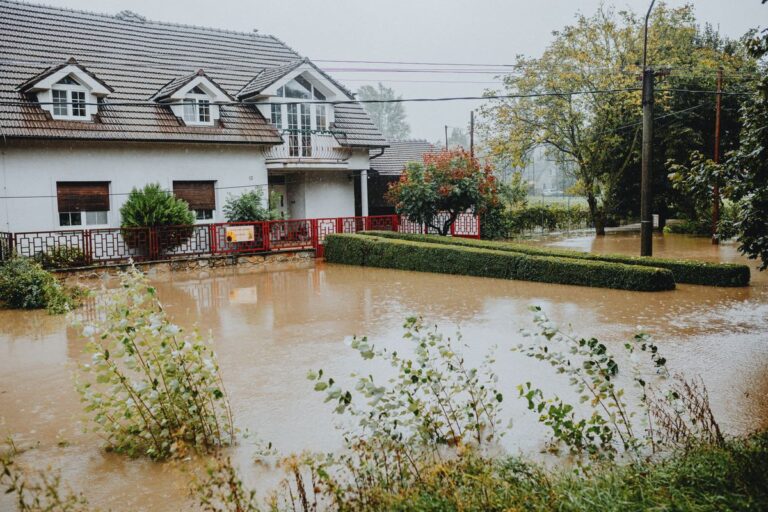
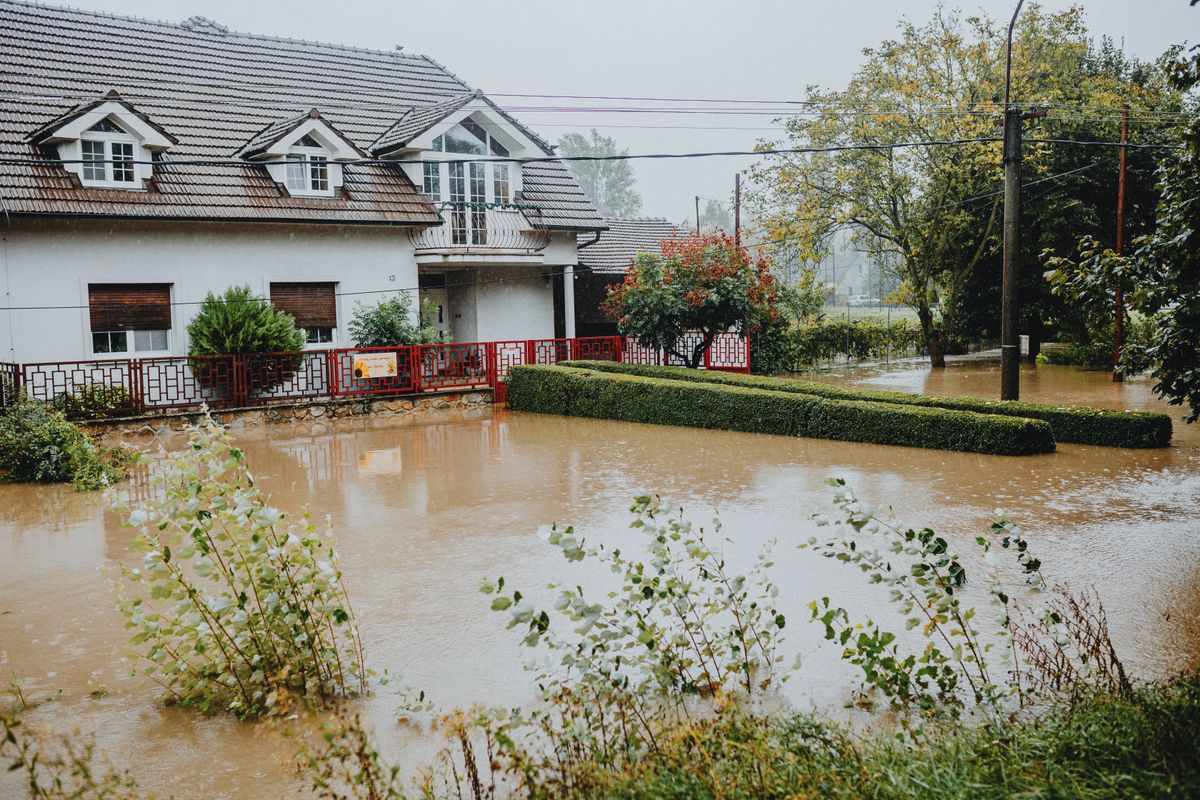
Nearly 40% of Australians have experienced water leaks in their homes due to severe weather, yet few are prepared for the biological aftermath. When a burst pipe or a sudden storm leaves your property damp, the immediate fear of toxic black mould is entirely justified. It’s natural to feel anxious about hidden structural damage or the potential for an insurance claim rejection. You want your environment restored to a high standard, but the confusion caused by conflicting DIY advice often leads to choices that make the situation worse.
This guide explains the scientific reality of water damage mold prevention and why many common "fixes" actually accelerate fungal growth. We’ll debunk five dangerous myths that frequently trip up Australian property owners and replace them with the professional standards required for effective structural drying. You’ll learn the clear criteria for when a situation requires an expert hand and how to ensure your property remains healthy, stable, and completely mould-free.
Key Takeaways
- Understand why the first 24 to 48 hours are critical for stopping mould spores from colonising damp building materials.
- Learn why applying bleach to porous surfaces like gyprock is ineffective and how it can inadvertently provide more moisture for fungal growth.
- Discover why "dry to the touch" is a deceptive metric and how moisture remains trapped in wall cavities and carpet underlay.
- Master the principles of scientific structural drying as the most effective strategy for water damage mold prevention in Australian properties.
- Recognise the importance of IICRC-certified restoration standards in ensuring a thorough, safe, and insurance-compliant recovery process.
Table of Contents
- The 24-Hour Window: Why Delaying Water Damage Recovery is a Critical Error
- Debunking the Bleach Myth: Why Surface Cleaning Fails in Mold Removal and Mold Remediation
- The ‘Hidden Moisture’ Trap: Why Visual Inspections Aren’t Enough
- Structural Drying Strategies: How to Prevent Mould Growth Effectively
- Professional Mold Removal and Mold Remediation: The IICRC Standard
The 24-Hour Window: Why Delaying Water Damage Recovery is a Critical Error
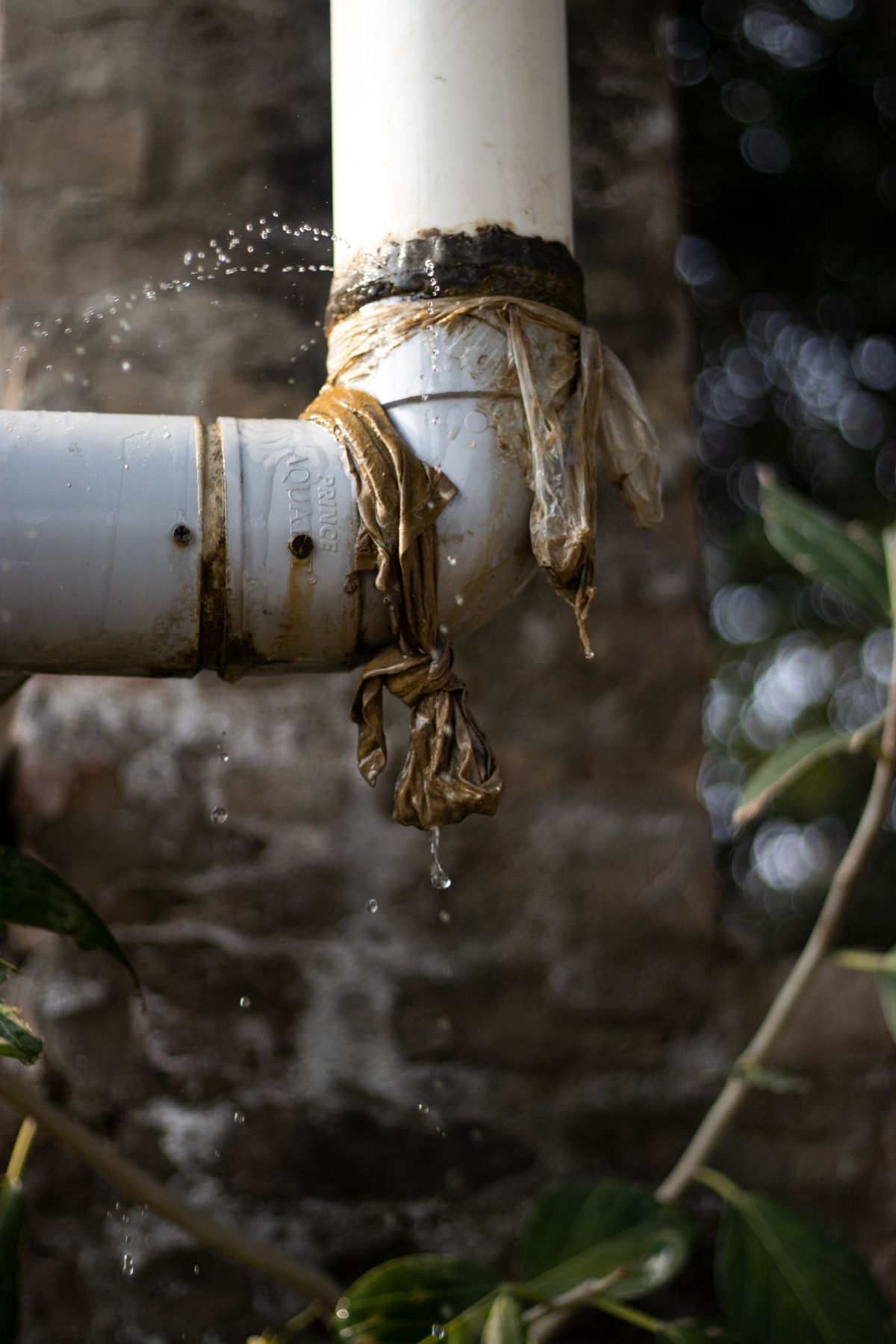
A common misconception among Australian property owners is that a minor leak or a damp patch can wait until the weekend for attention. This delay is the primary reason why simple drying tasks escalate into expensive remediation projects. Mould spores are ubiquitous in nearly every indoor environment. They remain dormant and harmless until they encounter a moisture source. Once a material becomes wet, these spores activate their metabolic processes in as little as 24 to 48 hours. If you don’t act within this window, the biological clock starts ticking toward a full-scale infestation.
In many parts of Australia, high relative humidity (RH) levels significantly accelerate this timeline. If the indoor RH exceeds 60 per cent, the air itself provides enough moisture to sustain fungal colonies even if the initial leak has stopped. Procrastination doesn’t just invite mould; it virtually guarantees it. Industry data suggests that "waiting to see" can lead to a tenfold increase in remediation costs as the contamination spreads from a single surface into wall cavities and structural timbers. Addressing the issue immediately is the only way to maintain the integrity of your property and your budget.
The Science of Spore Activation
When water enters a building, it triggers a biological "wake-up call" for fungi. For a comprehensive overview of indoor mold, one must understand that these organisms are opportunistic. The critical moisture point for most common household fungi is reached when the water activity level of a material exceeds 0.75. In a closed room with stagnant air, this threshold is crossed almost instantly. Without active airflow and moisture removal, the environment becomes a high-performance incubator for microbial growth. Effective water damage mold prevention relies entirely on disrupting this biological clock before the first colonies establish themselves.
Immediate Actions to Stop the Clock
The first 60 minutes after discovering water ingress are the most influential for the final outcome. Your priority is to stop the liquid at the source and begin physical extraction immediately. Removing liquid water is significantly more efficient than trying to dehumidify it once it has turned into vapour. A professional restoration team uses industrial-grade extractors to pull moisture from deep within carpet fibres and subfloors. This physical removal is the only way to prevent secondary damage like "wicking," where moisture travels up the walls. Simultaneously, you should document every affected area with high-resolution photos and detailed notes. This evidence is vital for insurance purposes, as it proves you took reasonable steps to mitigate the damage. Early intervention ensures the property remains a "Category 1" clean water situation rather than degrading into a grey-water biohazard.
Debunking the Bleach Myth: Why Surface Cleaning Fails in Mold Removal and Mold Remediation
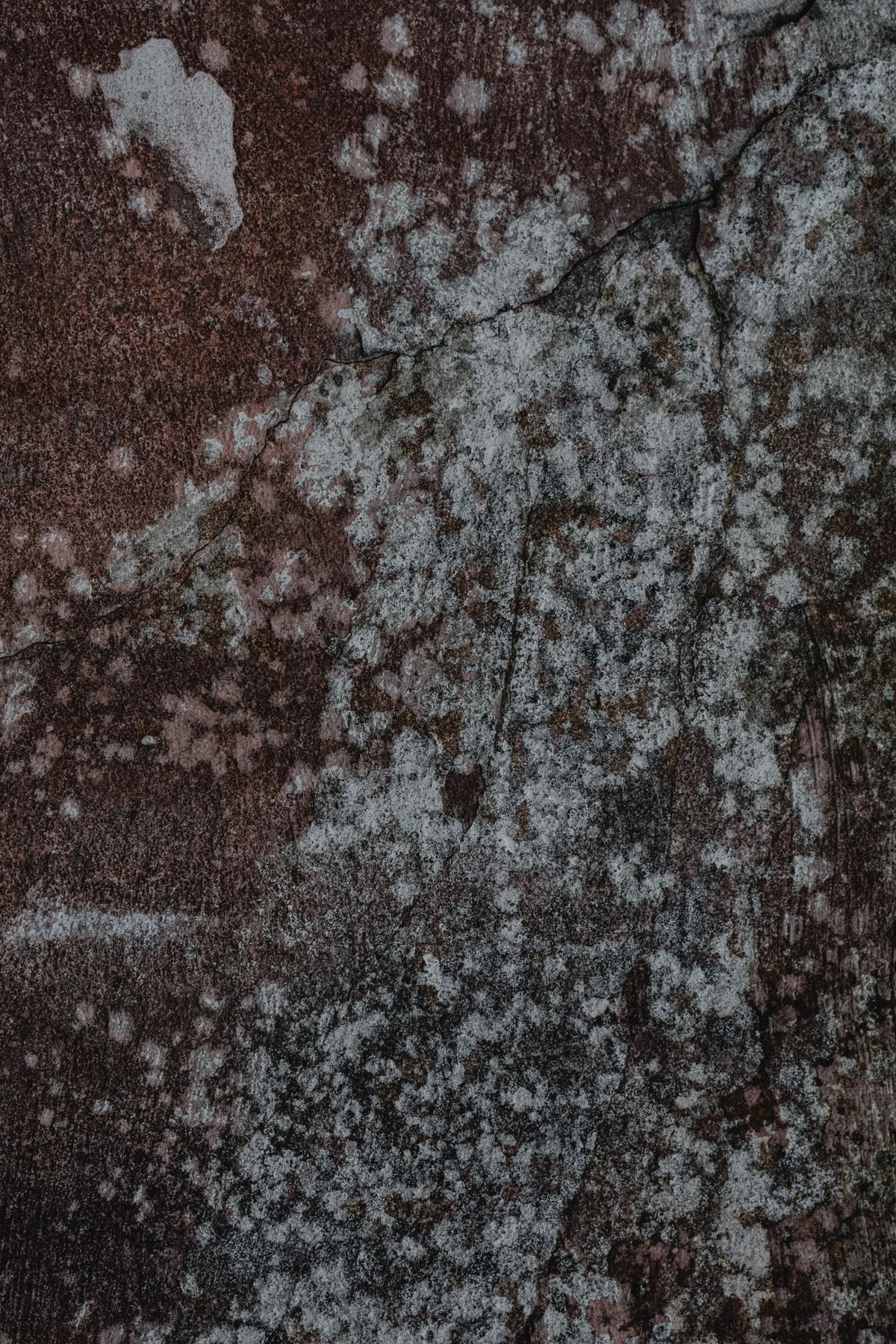
Many homeowners reach for a bottle of bleach the moment they spot a dark stain on a wall. While this might provide a temporary cosmetic fix by whitening the visible growth, it fails as a reliable strategy for water damage mold prevention. Bleach is composed of approximately 90 per cent water. On porous materials like gyprock or timber, the chlorine remains on the surface while the water component penetrates deep into the substrate. This provides a direct moisture source to the mycelium, or root system, of the fungi. Essentially, you are feeding the problem rather than solving it.
According to the NSW Health guide to mould, effective management requires addressing the underlying moisture rather than just treating the visible growth. Simply "killing" the mould with chemicals is insufficient. Dead mould spores retain their allergenic and toxic properties. If the biomass is not physically removed, it continues to pose health risks to occupants. Professional restoration focuses on the complete removal of the fungal matter through controlled methods, ensuring the environment is truly sanitised. For those facing significant saturation, engaging a professional flood and restoration service ensures the biomass is extracted rather than just masked.
Porous vs. Non-Porous Surfaces
The success of any cleaning agent depends entirely on the surface texture. Non-porous materials such as glass, metal, and glazed tiles can often be successfully decontaminated with surface cleaning because the fungi cannot penetrate the material. However, timber, plasterboard, and fabrics allow spores to embed themselves deep within the internal structure. Scrubbing dry mould on these surfaces is particularly dangerous. This action aerosolises millions of microscopic spores into the breathing zone. While household chemicals might change the colour of the stain, they cannot reach the internal contamination that continues to degrade the material’s structural integrity.
The Dangers of DIY Chemical Mixing
Property owners often attempt to increase the potency of their cleaning solutions by mixing various household products. This is a hazardous practice that should be avoided at all costs. Mixing bleach with ammonia or vinegar creates toxic gases that can cause immediate respiratory distress or permanent lung damage. Additionally, applying "mould-resistant" paint over an active moisture issue is a common error. This merely traps the moisture inside the wall, allowing the colony to thrive out of sight. A professional approach involves HEPA vacuuming to capture microscopic particles and the use of specialised antimicrobial treatments that stabilise the environment without the volatile risks associated with common household bleach.
The ‘Hidden Moisture’ Trap: Why Visual Inspections Aren’t Enough
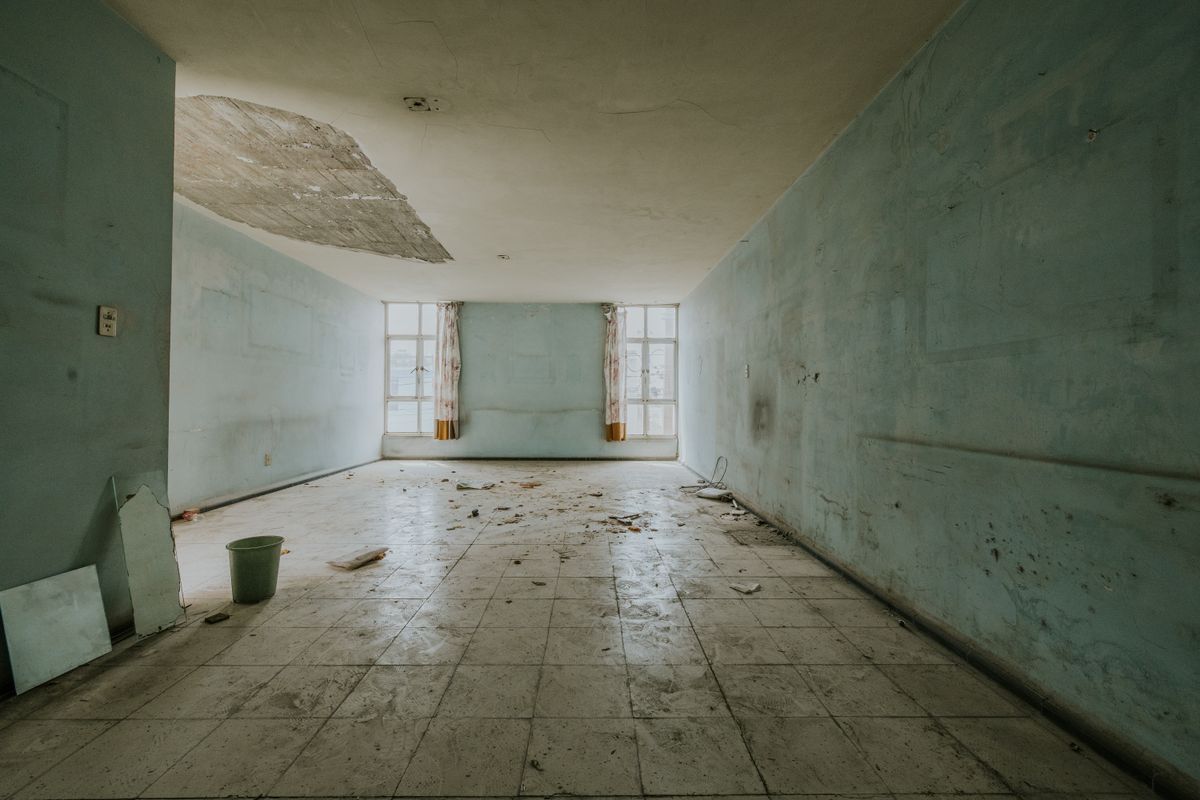
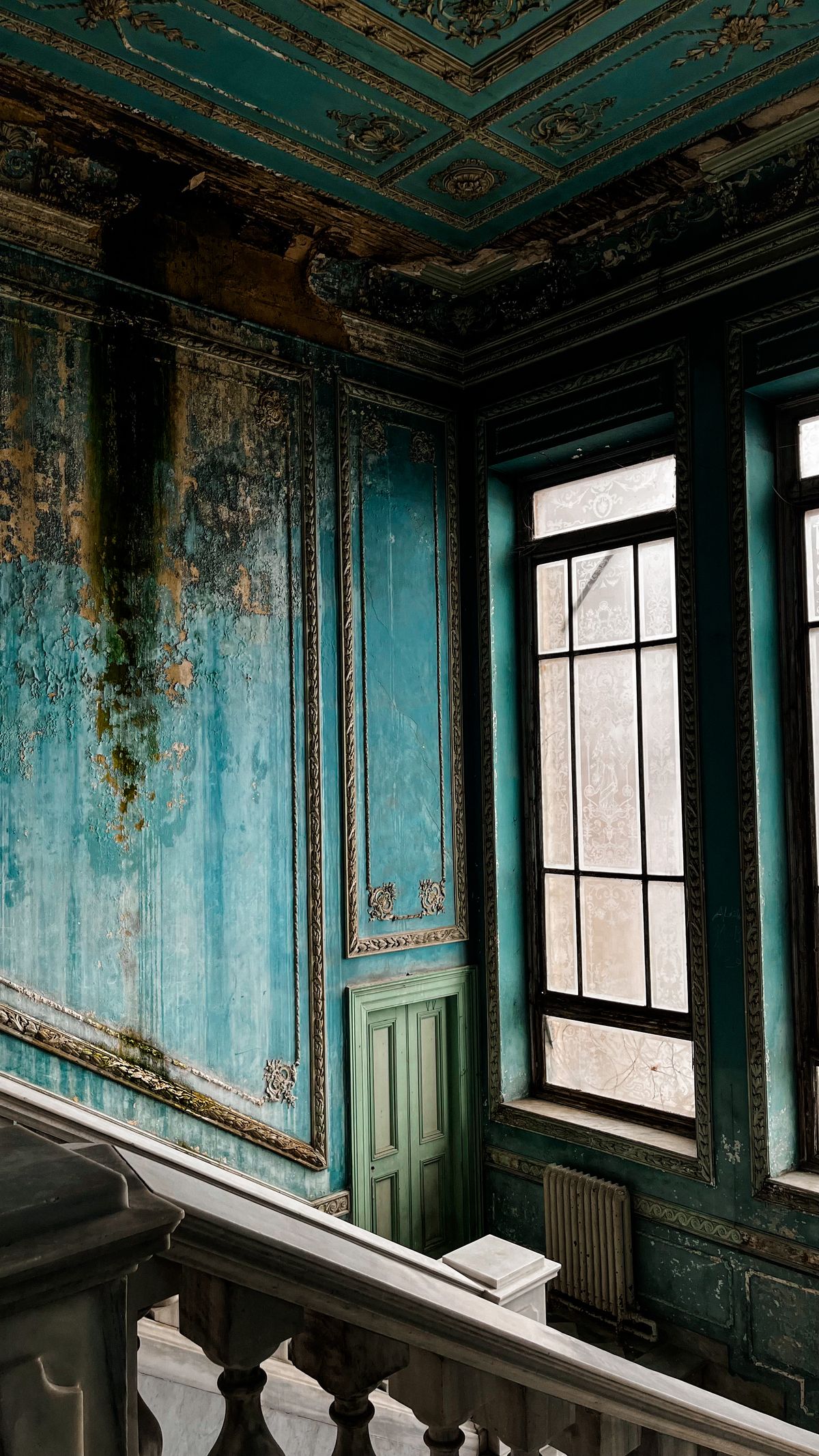
Visual inspections are often the most misleading part of a DIY recovery effort. Many property owners believe that if a carpet feels dry to the touch, the danger of fungal growth has passed. This assumption is a significant risk to the structural integrity of your building. Surface dryness is frequently a veneer that masks deep-seated saturation in the carpet underlay, subfloor, and wall cavities. Effective water damage mold prevention requires looking beyond what is visible to the naked eye to identify moisture reservoirs that serve as breeding grounds for spores.
When moisture remains trapped in these concealed areas, it leads to what professionals call secondary damage. As the trapped water slowly evaporates, it increases the relative humidity within the wall voids and ceiling spaces. This water vapour then re-condenses on cooler surfaces elsewhere in the property, such as the back of wardrobes or inside electrical outlets. This cycle can trigger mould outbreaks in rooms that were never directly touched by the initial flood. Relying on a simple "touch test" ignores the complex way moisture behaves within a modern building’s envelope.
Capillary Action in Building Materials
Water possesses a remarkable ability to move against gravity through a process known as capillary action. In a flooded room, moisture wicks upward through porous gyprock and timber studs, often reaching heights of 500mm or more above the floor level. Skirting boards are notorious for hiding this progression. They act as a seal that prevents airflow, creating a dark, damp microclimate where mould thrives undisturbed. In multi-storey buildings, this creates an "iceberg effect" where a small damp patch on a ceiling indicates a massive reservoir of water trapped in the floor system above. This hidden saturation must be identified and extracted to ensure a successful restoration.
Professional Detection Tools
To accurately assess a property, restoration experts utilise specialised technology that goes far beyond human senses. Infrared cameras are essential for spotting temperature variations that indicate moisture behind walls without the need for invasive demolition. These thermal images reveal the exact footprint of the water migration. We also employ moisture meters, which come in two primary types. Pinless meters allow for rapid scanning of large surfaces like tiles and timber floors, while pin-type meters provide deep-tissue readings for structural beams.
Adhering to the IICRC Standard for Professional Mold Remediation ensures that these tools are used to verify that every material has reached its dry standard. A surface may feel dry because the top layer of material has evaporated, while the core remains saturated enough to support fungal growth. Without these objective measurements, you are essentially guessing at the health of your property. Precision detection is the only way to guarantee that your water damage mold prevention efforts are based on data rather than hope.
Structural Drying Strategies: How to Prevent Mould Growth Effectively
Structural drying is a precise science, not a matter of simply "airing out" a room. Many property owners assume that opening windows and switching on a ceiling fan will suffice for water damage mold prevention. This approach is often counterproductive. If the outdoor humidity is high, as is common in many Australian coastal regions, you may actually be introducing more moisture into the building. Professional drying requires a controlled environment where evaporation, dehumidification, and temperature are perfectly balanced to extract moisture from deep within the building’s framework.
Residential fans lack the static pressure required to push air across wet surfaces effectively. We use high-velocity air movers designed to break the "boundary layer." This is a thin film of saturated air that clings to wet materials and prevents further evaporation. Without breaking this layer, the drying process stalls. However, increasing evaporation is only half the battle. If that moisture is not mechanically removed from the air, it will re-settle on other surfaces, leading to the secondary damage discussed in previous sections.
The Drying Triangle: Airflow, Heat, and Dehumidification
Successful restoration relies on the "Drying Triangle." Air movers create the necessary evaporation, while heat is often applied to increase the vapour pressure within the wet materials, forcing the water out. However, heating a room without simultaneous dehumidification creates a "mould greenhouse." Warm, wet air is the ideal environment for fungal colonies to thrive. To counter this, we employ LGR (Low Grain Refrigerant) dehumidifiers. These industrial machines are far more powerful than retail units, capable of pulling moisture from the air even in very low humidity conditions. This ensures that once water leaves the timber or gyprock, it is captured and pumped out of the property entirely.
Monitoring the Drying Process
We do not consider a room dry based on a visual check or a "feeling" of the air. Professional restoration involves establishing a "dry goal" by taking readings from unaffected areas of the property. If a dry bedroom has a moisture content of 8 per cent in the timber floor, that becomes the target for the affected lounge room. We monitor these levels daily, adjusting the equipment to maintain the most efficient drying environment. This methodical approach is part of The Expert Standard for Commercial Office Cleaning Services in Australia, ensuring that every space we manage meets strict health and safety requirements. For property owners facing significant saturation, engaging expert flood and restoration services is the only way to ensure the drying process is completed to an objective, measurable standard.
Professional Mold Removal and Mold Remediation: The IICRC Standard
A common mistake Australian property owners make is assuming that any general cleaning company can manage the aftermath of a flood. While surface cleaning is part of the process, restoration is a specialised science governed by strict international protocols. The industry benchmark is set by the IICRC S500 Standard for Professional Water Damage Restoration and the S520 Standard for Mould Remediation. These documents provide the framework for a safe, thorough recovery that protects both the structure and the occupants. Relying on an uncertified provider for water damage mold prevention often leads to incomplete drying and recurring fungal issues.
General cleaners who lack specific restoration training can inadvertently cross-contaminate your entire property. Using standard household vacuums or high-velocity fans in a space with active fungal growth can aerosolise spores, spreading them into unaffected rooms and the HVAC system. Professionals use specialised HEPA-filtered air scrubbers and industrial extractors to ensure that contaminants are captured rather than redistributed. Once the process is complete, a certified technician provides a Certificate of Dryness. This document is a vital asset for future property sales and insurance compliance, as it proves the environment was restored to an objective, scientific standard.
What to Look for in a Restoration Partner
When selecting a company to handle your recovery, verification of IICRC certification is the first step. A qualified partner will always conduct a thorough assessment and provide a detailed scope of works before any equipment is deployed. You should also look for the use of containment and negative air pressure. By sealing off the affected area with physical barriers and using air machines to create a pressure differential, technicians prevent microscopic spores from migrating to clean areas of the building. This level of meticulous attention to detail is what separates a professional restoration effort from a simple surface clean.
Auzi Facility Management: Your Restoration Experts
Auzi Facility Management provides IICRC-certified flood restoration and specialised cleaning services across Australia. We understand that effective water damage mold prevention requires more than just removing standing water. It demands a commitment to high-quality, affordable recovery that addresses the hidden moisture discussed in previous sections. Our technicians use specialised flood restoration equipment to return your property to its pre-loss condition quickly and safely. We take full responsibility for the spaces we manage, ensuring our clients enjoy total peace of mind throughout the restoration process.
Protect your property from mould—contact Auzi for professional flood restoration today.
Secure Your Property with Scientific Restoration
Protecting your investment from the long-term consequences of moisture ingress requires more than a simple mop and bucket. The first 48 hours are critical for preventing spore activation; relying on visual checks alone often leaves hidden reservoirs of water deep within your wall cavities. Effective water damage mold prevention is achieved only through a controlled balance of high-velocity airflow and industrial dehumidification, ensuring that every structural element reaches an objective dry standard.
Auzi Facility Management provides the professional oversight needed to navigate these complex recovery tasks. Our IICRC-certified restoration specialists utilise advanced thermal imaging and structural drying equipment to identify and extract moisture that remains invisible to the naked eye. We combine our comprehensive commercial and residential cleaning expertise to deliver a high-standard result that protects both your health and your property’s long-term value. Don’t leave your environment to chance after a water event.
Get Expert Help with Flood Restoration and Mould Prevention
Taking the right steps today ensures a safe, stable, and completely dry environment for the years to come.
Frequently Asked Questions
How long does it take for mould to grow after water damage?
Mould colonies typically begin to establish themselves within 24 to 48 hours of a moisture event. While you might not see visible growth immediately, the biological process of spore activation starts as soon as a material’s water activity level exceeds 0.75. This rapid timeline is why immediate extraction is the most effective strategy for water damage mold prevention. Delaying action by even a single day can allow fungi to penetrate deep into structural timbers.
Can I stay in my house if I have mould after a flood?
Your ability to remain in the property depends on the extent of the contamination and the category of the water ingress. If the damage involves "black water" from sewage or external flooding, the health risks are too high for occupancy. For smaller incidents, professionals use negative air pressure to contain spores to a specific zone. However, if the affected area exceeds one square metre, relocation is often recommended to avoid respiratory irritation.
Is it possible to prevent mould without professional help?
You can manage very minor surface spills with household tools, but structural drying generally requires professional intervention. Standard residential fans and retail dehumidifiers lack the power to extract moisture trapped within wall cavities or underfloor spaces. Without industrial-grade air movers and LGR dehumidifiers, you risk leaving behind pockets of saturation that will eventually lead to a significant mould outbreak despite your best efforts.
Does insurance cover mold removal and mold remediation?
Most Australian property insurance policies cover mould treatment if it results from a sudden and accidental event, such as a burst flexi-hose or storm damage. However, insurers often reject claims if the mould is caused by long-term maintenance neglect or a slow, undetected leak. It’s vital to demonstrate that you took immediate, reasonable steps to mitigate the damage. Professional documentation and a Certificate of Dryness are essential for supporting these claims.
What is the difference between cleaning mould and remediating it?
Cleaning is a cosmetic process that removes visible stains, whereas remediation is a comprehensive biological decontamination. Remediation involves identifying the moisture source, physically removing the fungal biomass under containment, and verifying the area is safe through air testing. While a general cleaner might wipe a surface, a restoration expert follows the IICRC S520 standard to ensure the environment is returned to a pre-loss condition that is safe for occupants.
Why does the mould keep coming back after I clean it with vinegar?
Mould returns because vinegar is a surface-level treatment that does not address the underlying moisture reservoir. While the acetic acid in vinegar can kill some fungal species on non-porous surfaces, it cannot reach the mycelium rooted inside gyprock or timber. If the material remains damp, the surviving roots will simply regrow. Permanent water damage mold prevention requires professional structural drying to remove the moisture that sustains the colony.
How do I know if the water damage has reached the wall cavities?
You cannot rely on a visual check to determine if moisture has entered your wall cavities. Professionals use non-invasive tools like infrared thermal imaging cameras to detect temperature differences that indicate trapped water. We also use moisture meters to scan for saturation behind skirting boards and inside structural studs. If you notice a musty odour, bubbling paint, or warped timber, it is a definitive sign that moisture has already compromised the internal wall space.
What are the health risks of living with mould after water damage?
Exposure to indoor mould can trigger a range of respiratory issues, including persistent coughing, wheezing, and sinus congestion. For individuals with asthma or compromised immune systems, the presence of fungal spores can lead to more severe lung infections. Beyond physical health, the anxiety of living in a compromised environment can be significant. Addressing the moisture source promptly is the only way to eliminate these health risks and restore your peace of mind.