Did you know that healthcare-associated infections account for 29% of all hospital-acquired complications in Australia, with over 165,000 cases recorded annually? This sobering statistic highlights why medical facility cleaning is a high-stakes technical discipline rather than a simple janitorial task. You likely feel the constant pressure of balancing high patient volumes with the rigid demands of RACGP standards and upcoming accreditation audits. It’s common to feel anxious about the subtle differences between standard commercial tidying and the rigorous clinical sanitisation required to protect your reputation and your patients.
We understand that maintaining a sterile environment is about more than just appearance; it’s about clinical excellence and patient safety. This guide provides the clarity you need to manage cross-contamination risks and maintain a fully compliant facility. You’ll gain a thorough understanding of the NHMRC V11.27 guidelines and the current NSQHS Standards. We will outline a repeatable protocol for both daily and deep cleaning, while showing you exactly how to audit your service provider to ensure they meet national SABSI benchmarks and TGA requirements. By the end of this article, you’ll have a clear roadmap to ensure your facility remains a safe and sterile environment for everyone who walks through your doors.
Key Takeaways
- Understand the mandatory hygiene benchmarks set by the NHMRC and how they differ from standard commercial cleaning requirements.
- Master the “Top-to-Bottom” and “Clean-to-Dirty” sanitisation workflows to eliminate cross-contamination risks in high-traffic clinical areas.
- Identify TGA-approved hospital-grade disinfectants essential for medical facility cleaning and learn why chemical dwell time is critical for pathogen elimination.
- Establish a Key Performance Indicator framework and use ATP testing to provide objective proof of cleanliness for accreditation audits.
- Learn how partnering with a specialised facility manager ensures your practice remains compliant with the latest Australian healthcare regulations.
Understanding Australian Standards for Medical Facility Cleaning
Clinical excellence begins with a fundamental shift in mindset. While standard commercial cleaning focuses on visual presentation, medical facility cleaning prioritises the invisible: the elimination of pathogens and the reduction of bio-burden. Sub-standard sanitisation carries heavy legal and safety implications that can compromise an entire organisation. Approximately 165,000 healthcare-associated infections (HAIs) occur in Australian hospitals each year, leading to over 7,500 deaths. These figures represent the most common complication for patients in the country. It’s why experts treat every surface as a potential vector for transmission rather than just a place where dust collects.
The RACGP Standards for General Practices
For general practices, meeting the Royal Australian College of General Practitioners (RACGP) standards is non-negotiable for accreditation. These standards require a meticulous approach to documenting every action. A written cleaning schedule and a physical logbook aren’t just recommendations; they’re essential components of a compliant practice. You must clearly differentiate between sterile zones, such as treatment rooms, and non-clinical administrative areas like the reception desk. Each zone requires a different level of intensity and specific chemicals listed on the Australian Register of Therapeutic Goods (ARTG). Failing to maintain these records can lead to audit failures and increased liability during medical negligence claims. Consistency is the only way to ensure your practice remains a safe environment for both staff and patients.
NHMRC Infection Control Guidelines
The National Health and Medical Research Council (NHMRC) sets the hygiene benchmarks that govern the industry. The current version of the Australian Guidelines for the Prevention and Control of Infection in Healthcare, updated in April 2026, emphasises a risk-based approach. This framework categorises areas by risk level:
- High-risk areas: Treatment rooms and surgical suites that require intensive terminal cleaning protocols after every patient.
- Medium-risk areas: Waiting rooms and high-traffic corridors that need frequent high-touch point sanitisation.
- Low-risk areas: Administrative offices and storage centres with minimal patient contact.
In 2026, there’s a distinct shift toward proactive bio-burden reduction. This involves moving beyond reactive cleaning to a system where surfaces are monitored for adenosine triphosphate (ATP) levels to validate cleanliness. By categorising your facility into these zones, you can allocate resources effectively while maintaining a zero-gap sanitisation strategy. This structured approach creates stability and thoroughness, ensuring your facility doesn’t just look clean but is clinically safe. When you align your operations with these national standards, you provide an environment where patients feel secure and clinicians can perform their duties with total confidence.
Step-by-Step Medical Facility Cleaning Protocol for Clinical Rooms
Efficiency in medical facility cleaning relies on a logical, repeatable sequence that eliminates the margin for human error. We implement a “Top-to-Bottom” approach to ensure that gravity works in our favour. By starting at the highest surfaces and moving downward, we prevent falling dust or droplets from re-contaminating areas that have already been treated. This is paired with a “Clean-to-Dirty” workflow. Technicians begin in the least contaminated zones and move toward the most hazardous areas. This unidirectional movement is a primary defence against the spread of healthcare-associated infections.
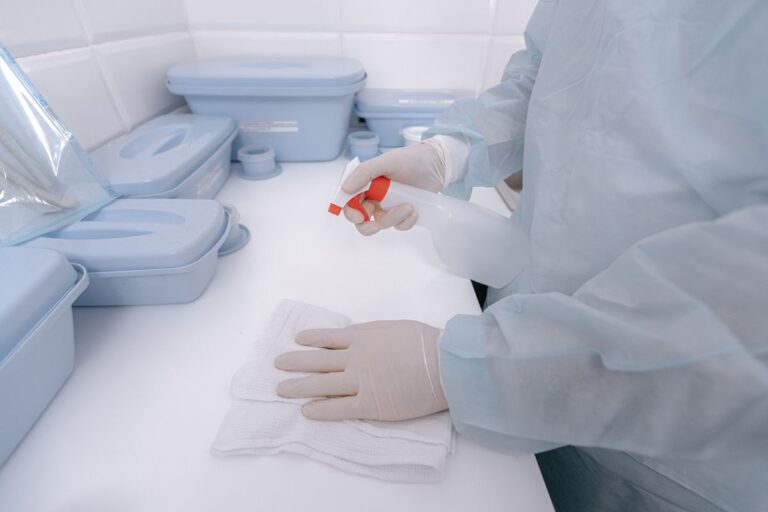
Chemical efficacy depends entirely on precision. Every hospital-grade disinfectant has a mandated “dwell time,” which is the period a surface must remain wet to neutralise pathogens. Rushing this process renders the sanitisation ineffective. The CDC Guideline for Disinfection and Sterilization notes that failing to meet these contact times allows microbial colonies to survive and thrive. To further mitigate risk, we utilise a strict colour-coded system. Yellow cloths and mops are reserved for clinical zones, while blue is used for general areas. This visual management system ensures that tools used to clean a pathology lab never enter the staff kitchen.
Managing biohazardous waste and sharps disposal is the final critical link in the cycle. Technicians must be trained to identify and handle these materials according to Australian safety regulations. This prevents injuries and ensures that infectious waste is segregated from general rubbish streams immediately. Proper disposal protocols protect both the cleaning staff and the wider community from accidental exposure.
Standard Daily Cleaning Sequence
Our standard daily routine follows a four-step process designed for maximum hygiene. First, we remove all visible soil and rubbish. Second, we clean surfaces with a high-quality detergent to break down organic matter and biofilms. Third, we disinfect high-touch points, such as door handles, light switches, and bed rails, using TGA-approved solutions. Finally, we perform floor maintenance using vacuums equipped with hospital-grade HEPA filtration to capture microscopic allergens and pathogens.
Terminal Cleaning for High-Risk Areas
A terminal clean is a comprehensive decontamination process required after a patient discharge or in surgical suites. This involves sanitising medical equipment housings, adjustable furniture, and even the undersides of tables. It also includes specialised carpet cleaning to remove pathogens trapped deep within fibres, ensuring the room is safe for the next patient. This meticulous attention to detail is what defines a truly sterile environment and maintains the high standards your patients expect.
Essential Equipment and TGA-Approved Chemicals
Effective medical facility cleaning requires a sophisticated arsenal that far exceeds the capabilities of domestic products. Standard supermarket cleaners often lack the chemical concentration necessary to eliminate resilient pathogens like MRSA or Norovirus. In a clinical setting, we rely on the Therapeutic Goods Administration (TGA) to regulate which products are fit for purpose. Every disinfectant used in a high-risk area must be listed on the Australian Register of Therapeutic Goods (ARTG) and comply with the Therapeutic Goods (Standard for Disinfectants and Sanitary Products) (TGO 104) Order 2019. These hospital-grade solutions are formulated to maintain efficacy even in the presence of organic matter, providing a level of safety that household-grade products simply cannot match.
Selecting the Right Disinfectants for Medical Facility Cleaning
Choosing the correct chemical is a matter of clinical precision. In Australia, the “Hospital Grade” label signifies a product has passed rigorous testing against specific bacteria and viruses. We select agents based on the specific risk profile of the room. Chlorine-based solutions are often the gold standard for managing outbreaks or cleaning blood spills, while alcohol-based wipes provide rapid sanitisation for non-porous surfaces. For sensitive medical equipment, hydrogen peroxide vapours or solutions offer a high-level kill rate without leaving corrosive residues. To maintain total compliance, we ensure every chemical is accompanied by a current Safety Data Sheet (SDS) and that staff are trained in correct dilution ratios. This level of detail aligns with the NSW Health environmental cleaning standards, which serve as a benchmark for excellence across the country.
Specialised Floor and Surface Tools
The tools used to apply these chemicals are just as vital as the agents themselves. We utilise advanced microfibre technology, where the specific split-weave of the fabric captures microscopic pathogens rather than just spreading them around. For floor maintenance, standard vacuums are prohibited. We exclusively use machines equipped with High-Efficiency Particulate Air (HEPA) filtration to ensure that 99.97% of particles as small as 0.3 microns are trapped, preventing them from being exhausted back into the air.
In 2026, the industry standard has moved toward no-touch cleaning systems. Electrostatic sprayers are now a staple for rapid, wrap-around disinfection of complex surfaces. Additionally, we prioritise long-term surface integrity through professional floor stripping and sealing. A sealed floor removes the microscopic pores where bacteria can hide, making daily sanitisation more effective. For waiting areas, specialised steam cleaning provides deep sanitisation of carpets, neutralising allergens and pathogens that traditional methods miss. This integrated approach ensures every square inch of your facility supports your clinical goals.
How to Audit and Monitor Your Facility Hygiene
Clinical excellence requires more than a rigorous schedule; it demands a robust verification system. Trusting that a room is sterile isn’t enough when patient safety is on the line. Practice managers must implement a Key Performance Indicator (KPI) framework that moves beyond visual aesthetics to measure actual sanitisation outcomes. This structured approach ensures that every member of the cleaning team remains accountable to the high standards required for medical facility cleaning. By establishing clear metrics for success, you create a culture of transparency and reliability that reassures both staff and patients.
Objective data is the most powerful tool in your audit arsenal. Adenosine Triphosphate (ATP) testing has become the gold standard for validating surface cleanliness in 2026. This technology detects organic matter that the naked eye cannot see, providing an immediate pass or fail result for any surface. While visual inspections are still necessary, they only tell half the story. ATP testing provides the empirical evidence needed to prove that your protocols are actually working. Organising quarterly deep-clean reviews allows you to address neglected areas, such as high-level shelving or behind heavy medical equipment, before they become pathogen reservoirs.
Developing a Medical Facility Cleaning Audit Checklist
A comprehensive audit checklist is your primary defence against compliance gaps. Every morning, a visual inspection should verify that high-touch points like door handles, light switches, and keyboards have been treated. You must also check for dust accumulation in vents and behind clinical monitors, as these areas often trap allergens and microbes. Review your cleaning logs daily to ensure they are consistent and fully compliant with RACGP rules. Documentation is just as important as the cleaning itself during an accreditation audit. If an action isn’t recorded, in the eyes of an auditor, it never happened.
Managing External Cleaning Partners
When you outsource your hygiene needs, you must vet your provider with clinical precision. Ask direct questions about their staff training and whether they hold IICRC certifications for specialised restoration and cleaning. Ensure they carry appropriate insurance and understand the specific demands of Australian healthcare regulations. You should also link hygiene outcomes to your patient satisfaction surveys. Patients are highly sensitive to the cleanliness of a facility, and their feedback can often highlight areas that require more attention. To ensure your facility meets these rigorous standards, consider a professional medical facility cleaning review with our expert team.
The Expert Standard: Partnering for Clinical Compliance
Achieving clinical excellence is an ongoing commitment rather than a one-off task. Transitioning from reactive cleaning to a managed hygiene programme is the only way to ensure your practice remains a leader in patient safety. While basic providers may focus on visible dust, a professional facility management partner treats medical facility cleaning as a technical discipline. We understand that your reputation depends on a zero-gap sanitisation strategy. By aligning our operations with the latest Australian healthcare regulations, we provide the stability and thoroughness your clinicians require to perform at their best.
Our integrated approach simplifies the complex maintenance needs of modern healthcare centres. We provide a single point of accountability for your entire environment. This includes everything from the sterile sanitisation of treatment rooms to the professional upkeep of your external grounds through our landscaping and gardening services. When you consolidate these services, you eliminate the communication gaps that often lead to neglected areas and pathogen traps. We take full responsibility for the spaces we manage, allowing you to focus entirely on patient care.
The Auzi Advantage in Medical Facility Cleaning
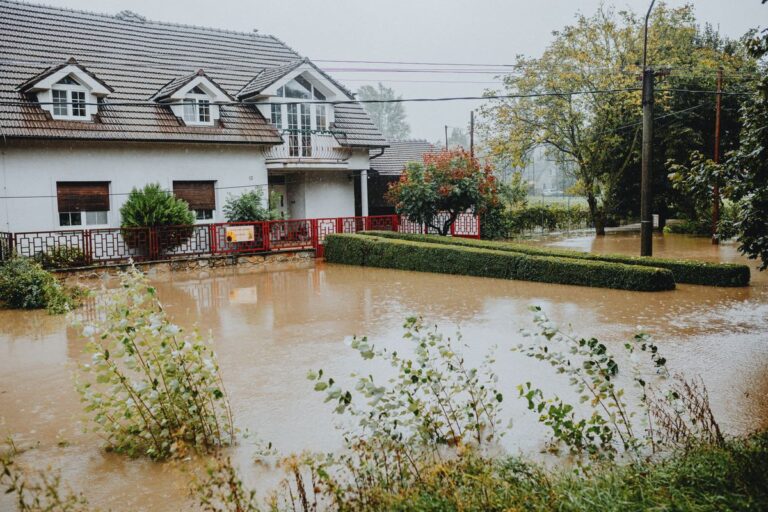
Our commitment to quality is backed by IICRC-certified standards and a practical, service-oriented mindset. We recognise that a medical facility is a dynamic environment. Because of this, we develop customised cleaning schedules that minimise disruption to patient care and administrative workflows. Beyond daily sanitisation, we offer expertise in specialised tasks such as floor strip and sealing and professional carpet cleaning. These services are essential for removing the microscopic pores where bacteria hide. In the event of an emergency, our team is also equipped for flood and restoration work, ensuring your facility returns to clinical standards as quickly as possible. Precision is our baseline.
Secure Your Facility’s Reputation
A clean environment directly impacts patient trust and staff morale. Patients are more likely to return to a facility that looks and feels clinically sterile. Your staff also deserve a workplace that prioritises their health and safety. We invite you to move beyond standard janitorial services and experience the peace of mind that comes with professional facility management. We don’t just clean; we protect your reputation. To begin your journey toward a more compliant facility, you can organise a professional medical facility cleaning consultation today. We will provide a comprehensive site assessment to identify and address any hygiene gaps in your current operations.
Elevate Your Facility to the Gold Standard of Clinical Care
Achieving clinical excellence is a continuous journey that requires precision, discipline, and a deep understanding of Australian regulatory standards. By implementing the NHMRC-aligned protocols and TGA-approved chemical selections we’ve outlined, you can transform your approach to medical facility cleaning from a daily chore into a robust defence against cross-contamination. Consistent auditing through ATP testing ensures that your sanitisation efforts are both measurable and verifiable, providing the peace of mind your patients and staff deserve.
Auzi Facility Management stands ready to serve as your dependable partner in maintaining these high stakes. Our IICRC Certified Technicians utilise Specialised High-Touch Sanitisation Protocols to ensure every clinical zone meets the most rigorous hygiene benchmarks. With our National Service Reliability, you can be confident that your environment is managed by experts who prioritise prestige and practical results. Take the next step toward a safer, more compliant practice today. We invite you to request a clinical-grade cleaning quote for your medical facility and secure the future of your clinical reputation. Your commitment to safety is the foundation of patient trust.
Frequently Asked Questions
What is the difference between clinical cleaning and general commercial cleaning?
Clinical cleaning prioritises the elimination of invisible pathogens and the reduction of bio-burden, whereas general commercial cleaning focuses primarily on visual presentation and dust removal. In a medical setting, technicians must follow NHMRC guidelines and use hospital-grade disinfectants listed on the Australian Register of Therapeutic Goods (ARTG). This technical approach ensures that high-risk areas remain sterile and safe for invasive procedures, protecting both patients and clinicians from healthcare-associated infections.
How often should a medical facility undergo deep carpet cleaning?
Medical facilities should undergo specialised deep carpet cleaning at least every six months, though high-traffic waiting areas often require quarterly treatment to maintain hygiene standards. Carpets can act as significant pathogen traps if not managed correctly. Using professional steam cleaning methods neutralises allergens and microbes that standard vacuuming cannot reach, which is essential for maintaining healthy indoor air quality for vulnerable patients and staff members.
Are all cleaning chemicals used in Australian clinics required to be TGA-approved?
Yes, all disinfectants making hospital-grade claims or specific pathogen-kill claims in Australian clinics must be TGA-approved and listed on the ARTG. This ensures the products comply with the Therapeutic Goods (Standard for Disinfectants and Sanitary Products) (TGO 104) Order 2019. Using unlisted supermarket cleaners in clinical zones can lead to accreditation failure and increased infection risks, as these products haven’t been verified for medical efficacy.
How does professional cleaning help with RACGP accreditation?
Professional medical facility cleaning provides the documented evidence and rigorous protocols required to satisfy RACGP accreditation standards and NSQHS benchmarks. Experts maintain detailed cleaning logs and schedules that prove consistent compliance with national infection control guidelines. This level of organisation simplifies the audit process for practice managers and demonstrates a proactive commitment to patient safety that accreditation auditors expect to see during their review.
What are high-touch points in a medical setting and why do they matter?
High-touch points are surfaces frequently contacted by hands, such as door handles, light switches, keyboards, and bed rails. These surfaces act as primary vectors for the transmission of infections within a healthcare environment. Prioritising these areas during every cleaning cycle is essential because even a visually clean surface can harbour significant microbial colonies if it isn’t properly disinfected with the correct chemical dwell time.
Can a medical facility use standard vacuum cleaners?
Standard domestic vacuum cleaners are unsuitable for healthcare environments because they often exhaust fine particulates back into the room. Medical facilities must use industrial-grade vacuums equipped with HEPA filtration. These filters capture 99.97% of particles as small as 0.3 microns, ensuring that dust, allergens, and pathogens are trapped rather than redistributed into the clinical air supply where they can be inhaled.
What should be included in a daily medical office cleaning checklist?
A daily medical office cleaning checklist must include the removal of visible soil, detergent cleaning of all surfaces, and the disinfection of high-touch points. It should also cover the management of clinical waste, sanitisation of waiting room furniture, and HEPA-filtered floor maintenance. Maintaining a physical or digital log of these tasks is a critical requirement for meeting Australian healthcare standards and ensuring that no step in the sanitisation process is missed.
How do you prevent cross-contamination between a waiting room and a treatment room?
Preventing cross-contamination requires a strict unidirectional workflow and the use of a colour-coded equipment system. Technicians always move from “Clean-to-Dirty” zones, starting in administrative areas before entering treatment rooms. By reserving specific yellow-coded microfibre cloths and mops for clinical zones, you ensure that pathogens from a pathology or treatment area are never transferred to the general waiting room or staff centre.