Dirt builds up slowly on outdoor surfaces. You barely notice it day to day. Then one day the car park looks grey and grimy. The facade seems tired and stained. This is where commercial pressure washing makes a dramatic difference.
This guide explains how commercial pressure washing works and where it helps most. You will learn the equipment, the methods, and the surfaces it suits. We also cover safety, costs, frequency, and how to choose a provider. By the end, you will know how to keep your outdoor areas looking their best.
What Is Commercial Pressure Washing?
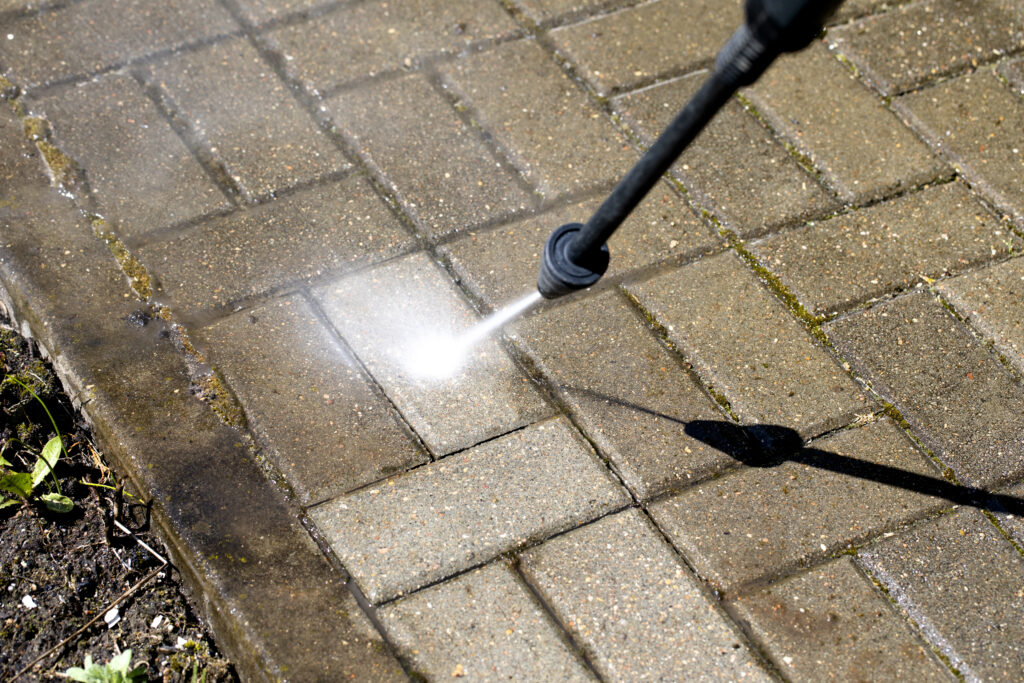
Pressure washing uses a high-powered jet of water. The force blasts away dirt, grime, and stains. It cleans surfaces that a mop or broom cannot touch. For businesses, commercial pressure washing restores outdoor areas fast.
The water pressure does most of the work. Sometimes a cleaning solution is added first. This loosens stubborn grease and grime. The jet then rinses everything away, leaving a fresh, clean surface behind.
It sounds simple, but skill matters. Too much pressure can damage soft surfaces. The right technician knows the correct setting for each job. Good commercial pressure washing balances power with care.
Where Commercial Pressure Washing Helps Most
Almost any hard outdoor surface can benefit. Some areas gather grime faster than others. Here are the spaces where commercial pressure washing delivers the biggest impact.
Car Parks and Driveways
Car parks take heavy punishment. Oil drips, tyre marks, and dirt build up daily. Over time the surface looks stained and neglected. Commercial pressure washing lifts these marks and restores a clean, safe finish.
A clean car park also improves safety. Oil and grime can make surfaces slippery. Removing them reduces the risk of slips and falls. It also makes line markings clearer for drivers.
Building Facades and Exterior Walls
Facades collect pollution, dust, and mould. City buildings darken over the years. A good clean can make a facade look almost new. Commercial pressure washing removes years of grime in a single visit.
Different wall materials need different care. Brick, render, and cladding all respond well. Softer surfaces may need a gentler soft-wash method. A skilled provider chooses the right approach for each material.
Footpaths, Entrances and Walkways
Entrances make a first impression. Chewing gum, stains, and grime spoil the look. High foot traffic makes these areas dirty quickly. Regular commercial pressure washing keeps entrances welcoming and safe.
Outdoor Dining and Common Areas
Cafes and shopping centres have outdoor seating. These areas gather food spills and grease. They need to look spotless for customers. Pressure washing keeps outdoor dining areas hygienic and inviting.
Pressure Washing vs Soft Washing
Not every surface can handle high pressure. Some need a gentler touch. This is why providers offer two main methods. Knowing the difference helps you protect your property.
High-Pressure Washing
High pressure suits tough, hard surfaces. Concrete, brick, and stone handle it well. The strong jet blasts away deep grime and stains. It is the go-to method for car parks and driveways.
Soft Washing
Soft washing uses low pressure and special solutions. It suits delicate surfaces like render and painted walls. The solution kills mould and algae at the root. It cleans gently without causing damage.
A skilled provider knows which method to use. They match the technique to the surface. This protects your property while still getting great results. Good commercial pressure washing is never one-size-fits-all.
- High pressure: concrete, brick, stone, car parks, driveways
- Soft wash: render, cladding, painted walls, delicate surfaces
- Hot water: grease-heavy areas like kitchens and bin zones
- Surface cleaners: large flat areas for an even, streak-free finish
The Equipment Behind Commercial Pressure Washing
Professional gear is far more powerful than home units. It cleans faster and reaches tougher grime. The right equipment makes a real difference. Here is what a good crew brings to the job.
- High-powered petrol or diesel pressure units
- Hot-water machines for grease and oil removal
- Rotary surface cleaners for large flat areas
- A range of nozzles for different pressures and angles
- Water recovery systems to capture and filter runoff
- Cleaning solutions and degreasers for stubborn stains
Water recovery matters more than many realise. It stops dirty water from entering drains. This protects the environment and meets regulations. Responsible commercial pressure washing always manages its runoff.
Safety and Environmental Responsibility
Pressure washing is powerful, so safety is vital. The jet can injure skin at close range. It can also damage surfaces if misused. Trained crews follow strict safety rules on every job.
The environment matters too. Runoff can carry oil and chemicals into drains. This can pollute waterways if not controlled. A responsible provider captures and treats the water properly.
- Trained operators who know safe pressure settings
- Protective gear including goggles, gloves, and boots
- Exclusion zones to keep the public clear of the work
- Water recovery to prevent polluted runoff entering drains
- Eco-friendly, biodegradable cleaning solutions where possible
- Compliance with local trade-waste and environmental rules
Ask any provider how they handle runoff. A good answer shows they take it seriously. This is part of professional facility management, and you can learn more in our guide on what facility management involves.
How Often Should You Pressure Wash?
Frequency depends on the surface and its use. Busy areas need more frequent cleaning. Quiet spaces can wait longer. Here is a simple guide to help you plan.
- Car parks: every three to six months, more if heavily used
- Building facades: once or twice a year
- Entrances and footpaths: monthly or quarterly
- Outdoor dining areas: weekly or fortnightly in busy seasons
- Bin storage areas: monthly to control odour and grime
Regular commercial pressure washing is easier than a rescue clean. Grime that sits for years becomes hard to shift. A steady schedule keeps surfaces fresh and spreads the cost. It also protects the surface from long-term damage.
The Benefits of Regular Pressure Washing
The gains go beyond a clean look. Pressure washing protects your property and your people. It also supports your brand. Here are the main benefits for any business.
- Better first impressions with clean, fresh outdoor areas
- Improved safety by removing slippery oil, algae, and grime
- Longer surface life as damaging build-up is removed
- A stronger brand image that shows you care about the site
- Higher property value through well-maintained exteriors
- Compliance with hygiene and safety expectations
A clean exterior works alongside a clean interior. Together they present a polished, professional site. Our commercial cleaning services tie the whole picture together, inside and out.
Common Pressure Washing Mistakes to Avoid
Pressure washing looks easy, but mistakes happen. The wrong approach can cause real damage. Here are the errors that a professional always avoids.
Using Too Much Pressure
Excess pressure can scar soft surfaces. It strips paint and damages render. It can even carve grooves into timber. A skilled operator always matches pressure to the surface.
Ignoring the Right Solution
Water alone does not remove everything. Grease and mould need the right treatment. Skipping the solution leaves stains behind. Commercial pressure washing works best when chemistry and pressure combine.
Forgetting About Runoff
Dirty water has to go somewhere. Letting it flood drains can break the rules. It can also pollute local waterways. Responsible crews always capture and manage runoff.
Pressure Washing Different Surface Types
Each surface behaves differently under pressure. The right approach protects the material. It also delivers the best clean. Here is how commercial pressure washing handles common surfaces.
Concrete and Asphalt
Concrete is tough and takes high pressure well. It is common in car parks and driveways. Oil stains lift with hot water and degreaser. Asphalt needs a little more care to avoid loosening the surface.
Brick and Pavers
Brick handles pressure well when pointed correctly. Loose mortar needs checking first. Pavers can shift if the jet gets under them. A skilled operator adjusts the angle to protect the joints.
Render and Painted Surfaces
Render and paint are softer and more fragile. High pressure can strip them away. Soft washing is the safer choice here. The gentle method cleans without harming the finish.
Timber Decking
Timber needs a careful hand. Too much pressure carves grooves into the wood. A lower setting and the right nozzle work best. Done well, pressure washing revives tired decking beautifully.
The Business Case for a Clean Exterior
A tidy exterior is more than a nice touch. It shapes how people see your business. First impressions form in seconds. A clean, cared-for site builds trust before anyone walks inside.
Neglected outdoor areas send a warning. Stained car parks and grimy walls look unprofessional. Customers may question the standards inside. Regular commercial pressure washing protects your reputation.
- Attracts customers with a fresh, welcoming exterior
- Signals high standards to clients and visitors
- Reassures tenants that the property is well managed
- Supports leasing and sale value for the building
- Reduces complaints about dirty or unsafe surfaces
The cost of cleaning is small next to these gains. A clean exterior pays for itself in goodwill. It keeps your business looking sharp all year round.
Preparing for a Pressure Washing Visit
A little planning makes the job smoother. Clear access helps the crew work fast. It also keeps everyone safe. Here is how to prepare your site.
- Move vehicles away from car parks being cleaned
- Clear furniture and planters from outdoor areas
- Close nearby windows and doors to keep water out
- Tell staff and tenants about the work schedule
- Point out any fragile fixtures or delicate surfaces
- Ensure a water supply is available and accessible
Good preparation saves time and avoids problems. It lets the crew focus on the cleaning. It also reduces the chance of accidental damage. A quick chat before the day helps everything run well.
Seasonal Pressure Washing Tips
The seasons shape when to clean. Each brings its own challenges. Planning around them keeps surfaces looking their best. Here is a simple seasonal guide.
- Spring: clear winter grime and mould from surfaces
- Summer: tackle algae and refresh outdoor dining areas
- Autumn: remove fallen leaves and organic stains
- Winter: focus on safety by clearing slippery build-up
A year-round plan spreads this work sensibly. It matches cleaning to the weather and the calendar. Smart scheduling keeps your outdoor areas safe and attractive through every season.
How Pressure Washing Fits Into Facility Maintenance
Pressure washing works best as part of a bigger plan. It pairs naturally with other outdoor services. Bundling them saves time and money. It also keeps your whole site to one standard.
Many businesses combine pressure washing with window cleaning and grounds care. A single provider can manage it all. This makes commercial pressure washing simpler to book and track. It also ensures consistent quality across the property.
- One provider for all exterior cleaning and maintenance
- Coordinated schedules that reduce site visits
- Consistent standards across every outdoor surface
- Simpler invoicing and clearer reporting for managers
This joined-up approach reflects smart facility management. It treats the property as one connected system. Every surface gets the right care on a sensible plan.
Choosing the Right Pressure Washing Provider
The best providers bring skill, safety, and reliability. Not every operator meets that standard. Ask the right questions before you commit. These points will help you compare.
- Insurance: full public liability cover
- Experience: proven work on sites like yours
- Equipment: professional hot and cold water units
- Runoff management: proper water recovery systems
- References: happy clients who vouch for the work
- Clear pricing: transparent quotes with no hidden fees
A local provider understands your climate and surfaces. They respond fast and know the area. Choosing local keeps commercial pressure washing simple and dependable.
The Cost of Commercial Pressure Washing
Cost depends on several factors. The size of the area is the biggest one. Surface type, access, and grime level also matter. A small entrance costs far less than a large car park.
Do not choose on price alone. A very cheap quote may skip safety or runoff control. Fair pricing reflects proper equipment and trained crews. Regular contracts often cost less per visit than one-off cleans.
- Area size: larger surfaces take more time and water
- Surface type: delicate materials need careful methods
- Access: hard-to-reach areas raise the labour cost
- Grime level: heavy build-up needs extra treatment
- Frequency: regular schedules earn better per-visit rates
Removing Tough Stains With Pressure Washing
Some stains resist ordinary cleaning. They need power and the right treatment. This is where commercial pressure washing shines. It tackles marks that brooms and mops cannot touch.
Oil and Grease Stains
Oil sinks deep into concrete. It leaves dark, stubborn marks. Hot water and a degreaser break it down. The pressure jet then flushes it away for good.
Chewing Gum
Gum sticks hard to footpaths and entrances. It collects dirt and looks unsightly. A focused hot-water jet melts and lifts it. This clears entrances without scrubbing for hours.
Mould, Algae and Moss
Damp, shaded areas grow mould and algae. These make surfaces green and slippery. Soft washing kills them at the root. The surface stays cleaner for far longer afterwards.
Rust and Mineral Marks
Rust bleeds from metal fixtures onto concrete. Sprinklers leave mineral stains too. Special treatments target these marks. Commercial pressure washing then rinses the surface clean.
Why Regular Cleaning Beats One-Off Deep Cleans
A yearly rescue clean seems cheaper on paper. In reality it costs more over time. Grime that sits for months bonds to the surface. It takes longer and harder work to remove.
Regular commercial pressure washing avoids that build-up. Each clean is quicker and easier. The surface never reaches a bad state. This spreads the cost and keeps your site looking sharp all year.
- Faster cleans as grime never fully bonds to the surface
- Lower long-term costs than occasional deep cleans
- A consistently professional look for your property
- Less risk of permanent staining and surface damage
- Better safety with slippery build-up removed regularly
Think of it like servicing a car. Small, regular care prevents big, costly problems. Your outdoor areas deserve the same steady attention.
Pressure Washing and Workplace Safety
Clean surfaces are safer surfaces. Oil, algae, and grime make ground slippery. Slips and falls are a real workplace risk. Regular cleaning reduces that danger significantly.
Car parks and entrances are common trouble spots. Wet weather makes grimy surfaces worse. Removing build-up keeps footing secure. This protects both staff and visitors from injury.
- Removes slippery oil and grease from car parks
- Clears algae and moss from shaded footpaths
- Keeps entrances safe in wet weather
- Improves visibility of line markings and hazard signs
- Supports your duty of care under work safety laws
Safety is a strong reason to book regular cleaning. It protects people and reduces liability. A clean site is a safe site, and commercial pressure washing helps you keep it that way.
Local Knowledge Makes a Difference
A local provider understands the regional climate. Canberra winters bring frost and damp. Summers bring dust and heat. This shapes how and when to clean each surface.
Local crews also respond quickly. They know the buildings and the roads. They can react fast when a car park or entrance needs urgent attention. Choosing local keeps commercial pressure washing reliable and responsive.
- Climate knowledge that shapes a smart cleaning plan
- Fast response for both routine and urgent jobs
- Familiarity with local surfaces and building types
- Support for the local economy and community
- Direct, easy communication with a team you trust
Building a Pressure Washing Schedule for Your Site
Every site has different needs. A busy retail car park differs from a quiet office wall. The best plan reflects how each area is used. A good provider helps you map it out.
Start by listing your outdoor surfaces. Note how dirty each one gets. Set a frequency that matches the traffic. Then let a provider handle the schedule for you.
- List every outdoor surface that needs attention
- Rate how quickly each area gathers grime
- Set a frequency that matches the traffic and use
- Group nearby areas into a single efficient visit
- Review the plan each season and adjust as needed
A written schedule takes the pressure off your team. You never have to remember to book. Regular commercial pressure washing simply happens on time. Your outdoor areas stay clean without any effort from you.
Ask your provider for a written scope before you start. It should list every surface and method. It should confirm how runoff will be managed. This clarity protects you and sets clear expectations for the work.
A trusted commercial pressure washing partner will happily provide this. Transparency is a sign of professionalism. When both sides know the plan, the job runs smoothly and the results speak for themselves.
Frequently Asked Questions About Commercial Pressure Washing
Will pressure washing damage my surfaces?
Not when done correctly. A skilled operator matches the pressure to each surface. Hard materials like concrete take high pressure. Delicate surfaces get a gentle soft wash instead. Professional commercial pressure washing protects your property while cleaning it.
How long does a pressure washing job take?
It depends on the area and its condition. A small entrance may take an hour. A large car park can take most of a day. Your provider will give a clear time estimate with the quote.
Is pressure washing environmentally safe?
It can be, with the right practices. Responsible providers use water recovery systems. They capture runoff and stop it entering drains. Many also use biodegradable solutions. Ask your provider how they manage runoff.
Can you pressure wash outside business hours?
Yes. Many sites prefer early morning or weekend work. This avoids disruption to staff and customers. We can plan commercial pressure washing around your opening times to keep your business running smoothly.
Conclusion: Restore and Protect Your Outdoor Areas
Outdoor surfaces work hard and get dirty fast. Car parks, facades, and footpaths all suffer. Regular commercial pressure washing restores them to their best. It also protects them from long-term damage.
The key is a skilled, safe provider and a sensible schedule. Get those right and your exterior stays fresh year-round. Your business looks professional and your surfaces last longer.
AUZI Facility Management delivers professional commercial pressure washing across Canberra, Queanbeyan, and Sydney. Our trained crews revive car parks, facades, and outdoor areas safely and responsibly. Call us on 1300 816 699 or email info@auzifacilitymanagement.com.au to request a free quote today.