For clinics, medical centres, dental practices and allied-health facilities across Canberra, cleanliness is never simply about appearances. It is a frontline defence against infection, a legal and regulatory obligation, and a signal to every patient that their safety is taken seriously. Medical environments face hygiene challenges that ordinary offices never encounter, from bloodborne pathogens and clinical waste to vulnerable, immunocompromised patients who cannot be exposed to unnecessary risk. Getting cleaning right in a healthcare setting is a specialised discipline that demands training, the right products, and rigorous, repeatable processes.
This guide explains what proper medical and clinic cleaning involves, why it matters so much, the standards Australian healthcare facilities are expected to meet, and how to choose a cleaning partner equipped to keep your practice safe and compliant. Whether you run a busy GP clinic in the Canberra CBD or a specialist practice in Queanbeyan, understanding these principles will help you protect your patients, your staff and your reputation.
Why Medical Cleaning Is Fundamentally Different
The gap between general commercial cleaning and medical cleaning is enormous. A standard office clean is designed to make a space look tidy and pleasant. A medical clean is designed to actively prevent the transmission of disease. In a healthcare setting, surfaces are routinely contaminated with bacteria, viruses and other pathogens, and the people most likely to come into contact with them are often those least able to fight off infection. The margin for error is minimal.
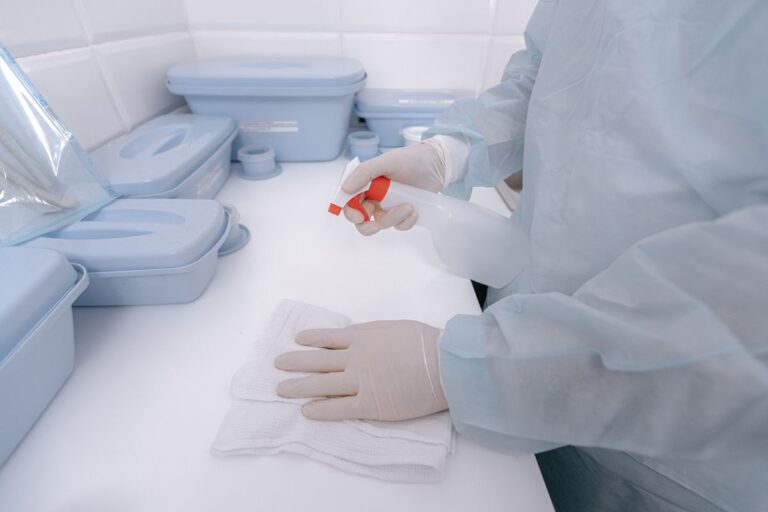
This is why medical cleaning relies on hospital-grade disinfectants, colour-coded equipment to prevent cross-contamination between zones, and strict protocols that dictate the order and method of cleaning. It is not enough to wipe a surface; that surface must be cleaned to remove organic matter and then disinfected to kill remaining pathogens, using the correct contact time for the product to work. Staff must understand the difference between cleaning, sanitising and disinfecting, and know exactly when each is required.
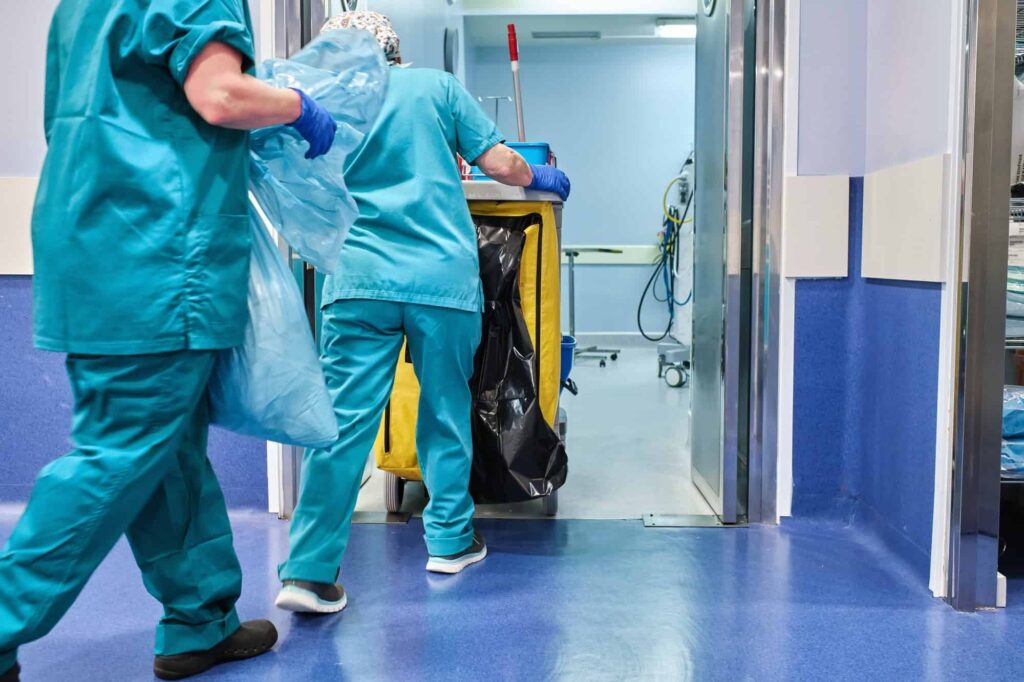
There is also the matter of clinical waste. Healthcare facilities generate sharps, contaminated materials and other regulated waste that must be handled, segregated and disposed of according to strict rules. A cleaning team working in a medical environment needs to understand these requirements and work safely around them, protecting both themselves and everyone else in the building.
Understanding Infection Control and the Chain of Infection
Effective medical cleaning is built on the principle of breaking the chain of infection. Pathogens spread through a predictable sequence: a source, a way of leaving that source, a mode of transmission, a way of entering a new host, and a susceptible person. Cleaning and disinfection interrupt this chain by removing pathogens from surfaces and equipment before they can be transmitted, particularly on the high-touch points that many different people contact throughout the day.
In practice, this means paying special attention to door handles, light switches, reception counters, waiting-room chairs, examination tables, bed rails, and any shared medical equipment. These surfaces should be disinfected frequently, and always between patients where clinical contact occurs. A consistent, well-documented cleaning routine is one of the most powerful tools any healthcare facility has for keeping infection rates low and patients safe.
Zoning: Cleaning High-Risk and Low-Risk Areas Correctly
Not every part of a medical facility carries the same level of risk, and a professional cleaning approach reflects this through zoning. Treatment rooms, procedure areas and anywhere clinical contact takes place are high-risk zones requiring the most thorough and frequent disinfection. Waiting rooms, reception areas and corridors are moderate-risk, seeing heavy foot traffic and many hands on shared surfaces. Administrative offices and staff break rooms are lower-risk but still require diligent, regular cleaning.
Colour-coded cloths and equipment are essential to keep these zones separate. Using the same cloth in a bathroom and then on a reception desk is exactly the kind of cross-contamination that professional protocols are designed to prevent. A well-organised cleaning team assigns specific equipment to specific zones and follows a logical sequence, always working from cleaner areas to dirtier ones to avoid spreading contamination.
The Standards Australian Healthcare Facilities Must Meet
Medical facilities in Australia operate within a framework of infection-prevention expectations that inform how cleaning should be carried out. Accreditation, workplace health and safety obligations, and professional guidelines all point in the same direction: cleaning must be systematic, documented and consistently applied. Facilities are expected to have clear cleaning schedules, defined responsibilities, and records that demonstrate the work is being done to the required standard.
For practice managers, this means partnering with a cleaning provider who understands healthcare requirements rather than treating a clinic like any other office. The right provider will be able to explain their protocols, show how they prevent cross-contamination, and provide documentation that supports your own compliance and accreditation efforts. Cleaning that cannot be evidenced is a liability; cleaning that is properly recorded is an asset.
Choosing Products and Equipment That Are Fit for Purpose
The products used in a medical environment matter enormously. Hospital-grade disinfectants are formulated to be effective against a broad range of pathogens, but they only work when used correctly, at the right concentration and with the correct contact time. A rushed wipe-down that does not allow the disinfectant to dwell long enough offers a false sense of security. Professional cleaners are trained to follow manufacturer instructions precisely so that surfaces are genuinely decontaminated, not just visibly wiped.
Equipment is equally important. Microfibre cloths, dedicated mop systems and, in some settings, technologies such as electrostatic sprayers or HEPA-filtered vacuums all contribute to a higher standard of clean. At the same time, product choices should consider the safety of patients and staff, favouring solutions that are effective without introducing unnecessary irritants or fumes, which is particularly important in spaces used by children, the elderly and those with respiratory conditions.
Common Mistakes in Medical Cleaning and How to Avoid Them
Even well-intentioned facilities can fall into avoidable traps. One of the most common is treating disinfection as instantaneous, wiping and immediately drying a surface before the product has had time to work. Another is using a single cloth across multiple areas, silently spreading contamination from one zone to the next. Neglecting high-touch points, focusing on visible dirt while ignoring the surfaces most hands actually touch, is another frequent failing.
Inconsistency is perhaps the biggest risk of all. Infection control depends on cleaning being done thoroughly every single time, not just when a space looks dirty or an inspection is due. The way to avoid these mistakes is to work with trained professionals who follow documented protocols, use the correct equipment for each task, and treat every clean as a matter of patient safety rather than mere presentation.
The Benefits of Professional Medical Cleaning for Your Practice
Investing in specialised medical cleaning delivers returns that reach well beyond a tidy waiting room. The most important is patient safety: lower infection risk protects the very people your practice exists to help. Close behind is staff wellbeing, as a genuinely hygienic workplace reduces illness, absenteeism and the anxiety that comes with working in a contaminated environment.
There is also a powerful reputational benefit. Patients notice cleanliness, and a spotless, professionally maintained clinic builds trust and confidence at every visit. In a competitive healthcare market, that trust translates directly into loyalty and referrals. Add the peace of mind that comes from knowing your facility is meeting its infection-control obligations, and professional medical cleaning becomes one of the smartest investments a practice can make.
How to Choose a Medical Cleaning Provider in Canberra
Not every commercial cleaner is equipped to clean a healthcare facility, so choosing the right partner requires careful assessment. Look for a provider with genuine experience in medical and clinical settings, staff who are trained in infection-control principles, and clear, documented protocols for disinfection, zoning and cross-contamination prevention. Ask how they handle clinical waste, what products they use, and how they evidence the work they carry out.
Flexibility matters too. Clinics often need cleaning outside consulting hours to avoid disrupting patient care, so a provider should be able to work around your schedule, including early mornings, evenings or weekends. Full insurance, reliable staffing and responsive communication round out the picture. A provider who ticks these boxes becomes a genuine partner in your facility’s safety, not just a contractor.
The AUZI Facility Management Approach to Medical Cleaning
AUZI Facility Management brings professional, detail-focused cleaning to clinics and healthcare facilities across Canberra, Queanbeyan, Sydney and the surrounding regions. As an IICRC-certified provider, AUZI applies internationally recognised standards and a genuine understanding of hygiene and infection control to every healthcare clean, using premium products, trained staff and rigorous protocols designed around patient safety.
Every facility receives a customised cleaning plan aligned with its specific requirements, from high-frequency disinfection of treatment areas to careful attention to waiting rooms and shared surfaces. Backed by flexible scheduling, full insurance and a customer-centric approach, AUZI helps medical practices maintain the highest standards of cleanliness while freeing their teams to focus on what they do best: caring for patients.
The Critical Role of Staff Training
Even the best products and protocols achieve little without properly trained cleaning staff. Medical cleaning requires personnel who understand infection control, who know how to use hospital-grade disinfectants correctly, and who appreciate why the order and method of cleaning matters. Training covers the safe handling of clinical waste, the correct use of personal protective equipment, colour-coding systems, and the importance of contact times when disinfecting surfaces.
Ongoing training is just as important as initial instruction. Guidelines evolve, new products appear, and refresher sessions keep standards from slipping over time. When you engage a professional provider, you are effectively outsourcing this training burden to a team whose entire focus is doing the job to a consistently high standard, day after day, without the recruitment and supervision headaches of managing cleaning in-house.
Recommended Cleaning Frequencies by Area
Different parts of a clinic demand different cleaning rhythms. Treatment and procedure rooms should be cleaned and disinfected between every patient and given a thorough clean at the end of each day. Reception desks, waiting-room seating, door handles and other high-touch points warrant disinfection several times throughout the day, as these surfaces accumulate contamination rapidly in a busy practice.
Bathrooms require frequent attention given their inherent risk, while floors throughout patient areas should be cleaned daily. Less intensively used spaces such as administrative offices and staff rooms can follow a daily routine clean, supplemented by periodic deep cleaning. A professional provider will map these frequencies to your specific layout and patient flow, ensuring nothing is over- or under-serviced.
Managing Clinical Waste Safely
Healthcare facilities generate waste that ordinary businesses never handle, including sharps, contaminated dressings and other regulated materials. While clinical staff are responsible for the correct segregation of this waste at the point of care, cleaning teams must work safely around it and understand the boundaries of their role. A cleaner in a medical environment needs to recognise clinical waste, avoid mishandling it, and follow clear procedures for the general waste and surfaces they are responsible for.
This awareness protects everyone. Cleaning staff who understand the risks are far less likely to suffer needlestick injuries or spread contamination, and a provider with proper protocols will have training and safety measures in place to manage these hazards. When assessing a cleaning partner, it is well worth asking how they train their staff to work safely in environments where clinical waste is present.
Air Quality and Ventilation Considerations
Cleanliness in a medical setting extends beyond surfaces to the air itself. Poor ventilation and airborne particles can contribute to the spread of respiratory infections and reduce overall comfort for patients and staff. Regular cleaning of vents, careful dust management, and the use of HEPA-filtered equipment where appropriate all help maintain a healthier indoor environment.
Reducing airborne irritants is particularly important in facilities serving children, the elderly and patients with respiratory or immune conditions. Thoughtful product selection also plays a part here, as harsh chemical fumes can aggravate sensitive patients. A professional medical cleaning approach balances powerful disinfection with attention to air quality, creating a space that is both hygienic and comfortable to be in.
Preparing for Flu Season and Outbreaks
Demand on a clinic’s hygiene practices is never constant. Winter and flu season bring surges in patient numbers and heightened transmission risk, while localised outbreaks can call for intensified cleaning at short notice. A capable cleaning provider can scale their service to meet these peaks, increasing the frequency of high-touch disinfection and responding quickly when circumstances change.
Having a provider who can adapt is a genuine advantage. Rather than scrambling to arrange additional cleaning during a busy or high-risk period, a practice with a flexible partner can simply adjust the schedule, confident that standards will be maintained. Planning for these seasonal and unexpected demands in advance is part of running a resilient, patient-focused healthcare facility.
Cleanliness and Patient Trust
A patient’s confidence in their care begins the moment they walk through the door. A clean, fresh, well-ordered clinic reassures people that the practice is professional, careful and attentive to detail, qualities they naturally associate with the quality of clinical care they will receive. Conversely, a grubby waiting room, a stained chair or an unpleasant odour can plant doubt before a patient has even been seen, undermining trust in ways that are difficult to repair.
This perception effect is especially powerful in healthcare, where patients are often anxious and highly attuned to their surroundings. Investing in a consistently high standard of cleanliness is therefore not only a matter of infection control but also of patient experience and loyalty. In a market where people can choose where to seek care, a spotless environment becomes a genuine competitive advantage.
Special Considerations for Dental and Specialist Practices
While the core principles of medical cleaning apply everywhere, some practices carry additional demands. Dental surgeries, for example, involve aerosol-generating procedures that can spread contamination across a wider area, requiring particularly thorough disinfection of surrounding surfaces. Specialist practices with imaging equipment, procedure rooms or laboratory areas each have their own sensitivities and cleaning requirements.
The right cleaning provider will take the time to understand these specific needs rather than applying a one-size-fits-all routine. A tailored plan accounts for the equipment, procedures and patient types unique to your practice, ensuring that every area receives the appropriate level of attention. This bespoke approach is a hallmark of a provider who genuinely specialises in healthcare environments.
Understanding the Cost of Medical Cleaning
Medical cleaning typically costs more than standard office cleaning, and for good reason. The specialised training, hospital-grade products, additional equipment and more frequent service schedules all contribute to a higher level of care. Rather than viewing this as an expense to minimise, it is more accurate to see it as an investment in patient safety, regulatory compliance and the long-term reputation of the practice.
Pricing depends on the size of your facility, the number and type of clinical areas, and the frequency of cleaning required. A reputable provider will assess your premises and offer a transparent, tailored quote rather than a generic rate. When comparing options, it is important to weigh value rather than price alone, because cutting corners on medical cleaning can carry consequences far more costly than any saving.
Consistency and Documentation: The Foundations of Trust
If there is one thread that runs through every aspect of medical cleaning, it is consistency. Infection control does not depend on a single deep clean but on the same high standard being achieved reliably, every shift, every day. A surface disinfected properly today but neglected tomorrow offers little protection. This is why documented schedules, clear allocation of responsibilities, and routine checks are so valuable: they transform cleaning from an ad-hoc task into a dependable system.
Documentation also protects the practice. Records that show what was cleaned, when and to what standard provide evidence of due diligence, support accreditation and offer reassurance in the event of any concern or audit. A professional provider who logs their work gives you both a better clean and a clearer trail of accountability. When you combine trained staff, correct products, sensible zoning and thorough documentation, you create an environment where patient safety is not left to chance but engineered into daily operations.
Frequently Asked Questions
How often should a medical clinic be cleaned? High-risk clinical areas typically need cleaning and disinfection multiple times a day and always between patients, while waiting rooms and shared surfaces should be attended to frequently throughout the day. A professional provider will assess your facility and recommend a schedule matched to your patient volume and risk profile.
What is the difference between cleaning and disinfecting? Cleaning removes dirt and organic matter from a surface, while disinfecting uses chemicals to kill remaining pathogens. In a medical setting both are essential, and in the correct order, cleaning first, then disinfecting, so the disinfectant can work effectively on a prepared surface.
Do you use hospital-grade products? Reputable medical cleaning providers use hospital-grade disinfectants applied according to manufacturer instructions, including the correct contact times, so that surfaces are genuinely decontaminated rather than simply wiped over.
Can cleaning be done outside consulting hours? Yes. Professional providers offer flexible scheduling, including early mornings, evenings and weekends, so that thorough cleaning takes place without disrupting patient appointments or clinic workflow.
What areas do you service? AUZI Facility Management provides specialised medical and commercial cleaning across Canberra, Queanbeyan, Sydney and the surrounding regions, tailored to healthcare facilities of all sizes.
Conclusion: Protect Your Patients With Professional Medical Cleaning
In a healthcare setting, cleaning is patient care. A rigorously clean clinic protects vulnerable patients, safeguards staff, supports your compliance obligations and builds the trust that keeps people coming back. The stakes are simply too high to leave hygiene to chance or to treat a medical facility like an ordinary office.
Partnering with a cleaning provider who understands infection control, uses the right products and protocols, and documents their work is one of the most effective steps any practice can take to protect the people it serves. If you are ready to raise the standard of cleanliness in your Canberra healthcare facility, AUZI Facility Management is here to help. Get in touch today for a free, no-obligation quote and give your patients the safe, spotless environment they deserve.