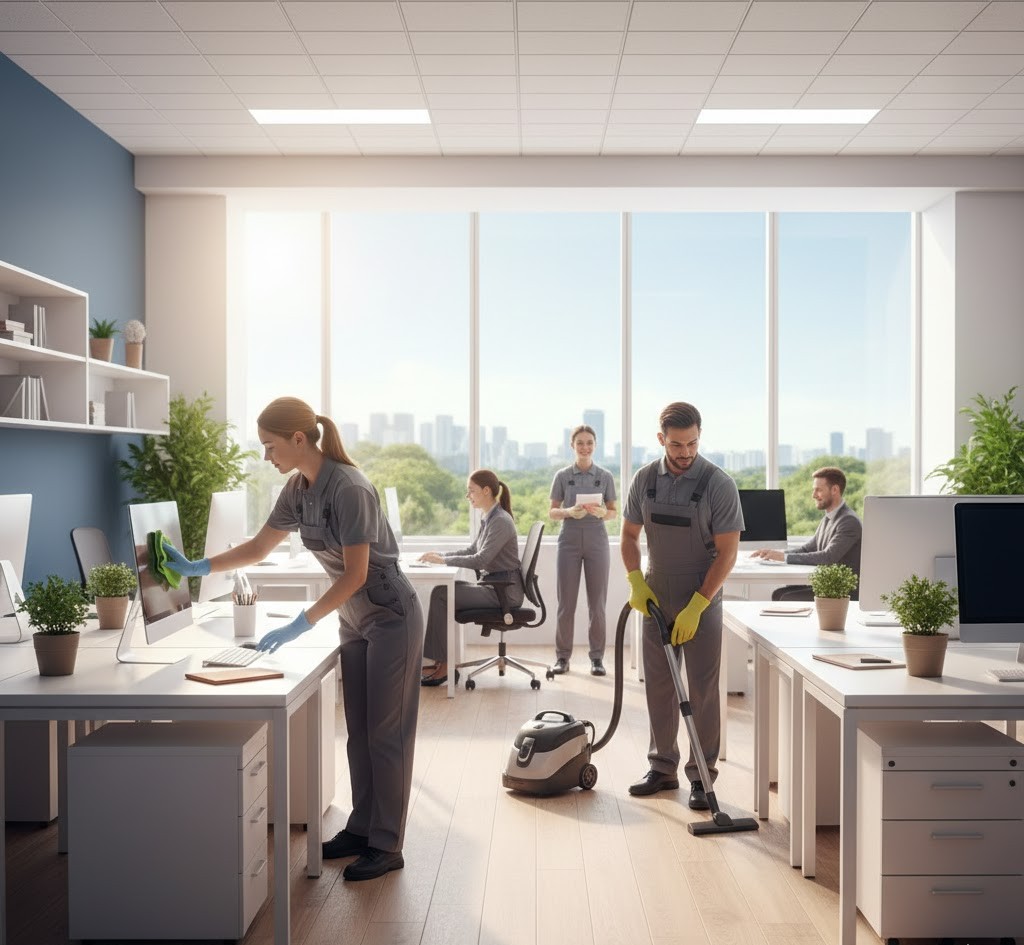
You have booked a professional cleaning service, and that is a smart step for your workplace. But the work does not stop there. A little preparation makes a big difference. It helps your cleaners do their best work.
Good prep leads to a faster, deeper clean, and it also protects your belongings and data. Many business owners are not sure where to start. This guide from AUZI Facility Management explains it all. We walk you through each step to get ready.
Why Preparation Matters
Some people think prep is not their job, and after all, they hired cleaners for a reason. But a little effort brings big rewards. Here is why preparation is worth it.
A clear space lets cleaners work faster, and they spend less time moving your things. This means a deeper clean in the same time. You get more value from every visit.
Prep also protects your valuables and data, and it keeps sensitive items safe and private. It prevents damage to fragile objects. A little care avoids a lot of worry.
Finally, prep sets clear expectations, and it helps you and the cleaners agree on the job. This avoids confusion and missed tasks. Everyone knows what to expect.
Before the Cleaners Arrive: A Step-by-Step Guide
Getting ready is simple with a clear plan, and a few key steps cover most needs. Follow these before your cleaners arrive. They set the stage for a great clean.
Declutter Surfaces
Clear desks, counters, and tables first, and put away papers, files, and personal items. This lets cleaners wipe every surface. A clear top means a proper clean.
Secure Valuables and Sensitive Items
Lock away cash, keys, and small valuables, and store sensitive documents safely too. This protects your items and your privacy. It gives everyone peace of mind.
Pick Up Items from the Floor
Clear the floor of bags, boxes, and cords, and this lets cleaners vacuum and mop freely. It also prevents trips and damage. A clear floor is a clean floor.
Empty Personal Food Items
Clear old food from shared fridges, and bin any items past their date. This helps with kitchen cleaning. It also keeps the space fresh.
Communicate Clearly with Your Cleaning Team
Good communication is key to a great clean, and it helps cleaners meet your exact needs. A short chat can save a lot of trouble. Here is what to share with your team.
Share Your Priorities
Tell the cleaners what matters most to you, and point out any high-priority areas. This helps them focus their time well. Clear priorities lead to better results.
Flag Special Requirements
Mention any surfaces that need special care, and note any products you prefer or avoid. Flag any fragile or valuable items. This prevents mistakes and damage.
Provide Access Details
Give clear instructions for entry and exit, and share alarm codes or key details safely. Explain how to lock up when done. This lets cleaners work without a hitch.
Agree on a Schedule
Confirm the days and times for cleaning, and agree on how long the job will take. Set a clear start and finish. This keeps everyone on the same page.
Preparing Different Areas of Your Workplace
Each part of a workplace has its own needs, and a little area-by-area prep helps a lot. Here is how to get each space ready. This ensures a thorough clean throughout.
Office Desks and Workstations
Ask staff to clear their own desks, and personal items should be put away. This lets cleaners wipe and dust freely. A clear desk gets a proper clean.
Kitchen and Break Rooms
Clear dishes and old food before cleaning, and wipe up any large spills yourself. This helps cleaners focus on deep cleaning. A tidy start means a fresh finish.
Bathrooms
Make sure supplies are stocked and ready, and clear any personal items from counters. Report any plumbing issues in advance. This helps cleaners do a full job.
Meeting Rooms
Clear tables of papers and cups, and put away any equipment or props. This lets cleaners reset the room fully. A clear room is ready for its next use.
Reception and Entrances
Tidy the front desk and waiting area, and clear away clutter and old magazines. This space shapes first impressions. A clean entrance welcomes everyone.
What to Do with Staff During Cleaning
Staff and cleaning can sometimes clash, and a little planning avoids any conflict. Here is how to handle staff during a clean. It keeps both work and cleaning on track.
For after-hours cleaning, this is simple, and staff have gone home for the day. Cleaners have the space to themselves. This is the smoothest option for many.
For daytime cleaning, some planning helps, and let staff know when cleaners will come. Ask them to clear their areas first. This keeps disruption to a minimum.
In busy spaces, coordinate the timing well, and clean quieter zones during peak hours. Save busy areas for slower times. This balances work and cleaning needs.
A Handy Pre-Cleaning Checklist
A checklist keeps your prep on track, and it makes sure you miss nothing. Print it out or share it with staff. Here is a simple list to follow.
- Clear all desks, counters, and tables of clutter
- Lock away cash, valuables, and sensitive documents
- Pick up bags, boxes, and cords from the floor
- Empty old food from shared fridges and bins
- Confirm access details and alarm codes with the team
- Note any special requirements or fragile items
- Report any repairs or plumbing issues in advance
- Let staff know the cleaning schedule
This checklist covers the key prep tasks, and work through it before each clean. It becomes a quick routine over time. A little prep makes every clean better.
Common Preparation Mistakes to Avoid
Even with good intent, mistakes happen, and these slips can hold back your clean. Knowing them helps you avoid them. Here are the common errors to watch for.
Leaving Clutter Everywhere
Clutter is the biggest barrier to a good clean, and cleaners cannot wipe a covered surface. Clear your spaces before they arrive. This is the most important prep step.
Not Communicating Needs
Cleaners cannot read your mind, and if you skip the chat, needs get missed. Always share your priorities clearly. Good talk leads to good results.
Forgetting About Valuables
Leaving valuables out is a risk, and it creates worry for you and the cleaners. Always secure important items first. This protects everyone involved.
Blocking Access
Locked doors and hidden keys cause delays, and cleaners cannot work if they cannot enter. Sort out access well in advance. This keeps the clean on schedule.
How to Prepare for a First-Time Deep Clean
A first deep clean needs extra prep, and it is more thorough than a regular visit. A little more effort pays off here. Here is how to get ready for one.
Start by doing a full walk-through, and note every area that needs attention. Share this list with your cleaning team. This helps them plan the job well.
Next, clear as much as you can, and move small furniture where possible. Empty cupboards that need cleaning inside. The more you clear, the deeper the clean.
Finally, set aside enough time, and a deep clean takes longer than a routine one. Do not rush the process. Good prep and time lead to great results.
Building a Good Relationship with Your Cleaners
A strong relationship improves your clean over time, and cleaners who know your space work better. A little effort builds this bond. Here is how to make it work.
Treat your cleaners with respect and care, and a friendly word goes a long way. Happy cleaners take more pride in their work. This shows in the results.
Give feedback in a clear, kind way, and praise good work and note any issues. This helps cleaners improve over time. Open feedback builds trust.
Stay consistent with your prep and schedule, and reliable habits make the job easier. Cleaners learn your needs and quirks. This leads to a smoother, better clean.
Preparing for Recurring vs One-Off Cleans
Not all cleaning jobs are the same, and a one-off clean differs from a regular one. Each needs a slightly different prep. Here is how to get ready for both.
One-Off Deep Cleans
A one-off clean is often more intense, and it may follow an event or a move. Prep thoroughly and clear as much as you can. Share a full list of what you need.
Recurring Cleaning Contracts
Regular cleans need a steady routine, and once set up, prep becomes quick and easy. Staff learn the habits over time. This makes each visit smoother.
For recurring cleans, build good habits early, and set clear rules for staff to follow. A simple daily tidy keeps things ready. This gets the most from every visit.
What Professional Cleaners Do (and Do Not Do)
It helps to know what your cleaners handle, and this sets clear expectations for both sides. It also guides your own prep. Here is a general overview.
Cleaners handle the deep cleaning tasks, and they wipe, mop, vacuum, and disinfect. They clean bathrooms and kitchens fully. They tackle what daily tidying cannot.
Cleaners usually do not tidy personal items, and they will not sort your papers or files. They cannot clean around heavy clutter. This is why your prep matters so much.
For special tasks, always ask first, and some jobs need extra time or tools. A good provider will discuss these. Clear talk avoids any surprises.
The Role of Prep in a Healthy Workplace
Prep does more than help the cleaners, and it supports a healthier workplace overall. Good habits keep the space cleaner longer. Here is the wider benefit of prep.
A tidy space is easier to keep clean, and less clutter means fewer places for dust. This supports better air quality. Staff feel and work better as a result.
Regular prep also builds good habits, and staff learn to keep their areas clear. This culture of care spreads over time. The whole workplace stays fresher.
A clean, prepped space also boosts morale, and people take pride in a tidy workplace. This lifts mood and engagement. A little prep has a big ripple effect.
Preparing for Cleaning in Specific Industries
Different workplaces need different prep, and what suits an office may not suit a shop. A tailored approach works best. Here is how prep varies by industry.
Corporate Offices
Offices need clear desks and tidy floors, and ask staff to secure their own items. Sort out after-hours access early. This lets cleaners work with ease.
Retail Stores
Shops need clear aisles and counters, and store stock neatly before cleaning. Protect displays and fragile items. This helps cleaners refresh the whole store.
Medical and Healthcare
These spaces have strict hygiene needs, and clear clinical areas of loose items. Follow any infection control rules. Careful prep supports a safe, clean space.
Warehouses and Industrial Sites
These sites need clear floors and aisles, and move stock and pallets where you can. Flag any hazards to the cleaners. Good prep keeps everyone safe.
Hospitality Venues
Hotels and cafes need quick turnarounds, and clear tables and service areas fast. Coordinate timing around busy periods. This keeps the venue guest-ready.
How Good Prep Saves You Money
Preparation is not just about convenience, and it can also save you real money. A few habits stretch your cleaning budget. Here is how prep protects your wallet.
A prepped space cleans faster, and cleaners spend less time on each visit. This can lower your cleaning costs. Efficiency saves money over time.
Prep also prevents damage to your things, and secured items are less likely to break. This avoids the cost of repairs. A little care protects your assets.
Good prep also gets a deeper clean, and this makes your space last longer. Carpets and fittings wear more slowly. Over time, this saves on replacements.
Creating a Prep Routine for Your Team
A team routine makes prep effortless, and it spreads the work across everyone. It also keeps standards consistent. Here is how to build a good routine.
Start by assigning simple prep tasks, and give each person a clear duty. This shares the load fairly. Everyone knows their part.
Next, make prep part of the daily wind-down, and a quick tidy at day end helps. It keeps the space ready for cleaners. Small habits add up fast.
Finally, review the routine over time, and ask staff what works and what does not. Adjust the plan as needed. A good routine keeps improving.
The Link Between Prep and Cleaning Quality
Prep and quality go hand in hand, and better prep leads to a better clean. This link is easy to see. Here is why prep drives quality.
When surfaces are clear, cleaners reach everything, and nothing is missed or skipped. The clean is thorough and complete. This is the direct result of good prep.
Clear communication also lifts quality, and cleaners know exactly what you need. They focus on your priorities. This makes the clean feel tailored to you.
Over time, prep builds a cycle of quality, and a clean space is easier to keep clean. Good habits reinforce great results. Prep is the foundation of it all.
What to Expect After the Clean
The clean does not end when cleaners leave, and a few steps help you get the most from it. Knowing what to expect is useful. Here is what happens after a clean.
First, do a quick walk-through of the space, and check that all your priorities were met. Note anything that needs attention. This helps you give useful feedback.
Next, share any feedback with your provider, and praise good work and flag any issues. This helps them improve next time. Open feedback keeps standards high.
Finally, keep up simple daily habits, and a quick tidy holds the clean longer. This makes the next visit easier. Good habits stretch the value of each clean.
Preparing Your Workplace for Seasonal Cleans
Some cleans happen at set times of year, and these seasonal cleans need extra thought. A little planning makes them smooth. Here is how to prepare for them.
Spring Cleaning
Spring is a natural time for a big clean, and clear out clutter that built up over winter. Sort storage areas and cupboards. This sets up a fresh start.
End-of-Year Cleaning
A year-end clean resets the workplace, and clear old files and unused items. Prep the space before the holiday break. Staff return to a fresh office.
Pre-Event Cleaning
Before a big event, prep is key, and clear and stage the space in advance. Tell cleaners about the event needs. This ensures the venue looks its best.
Post-Renovation Cleaning
After building work, dust is everywhere, and clear tools and debris first. Warn cleaners about heavy dust. This helps them plan a thorough clean.
Tools and Supplies: What You Need and What They Bring
It helps to know who brings what, and this avoids confusion on cleaning day. Most providers bring their own gear. Here is how supplies usually work.
Professional cleaners bring their own equipment, and this includes vacuums, mops, and machines. They also bring their cleaning products. You rarely need to supply these.
You may need to provide a few basics, and this can include bin bags or paper towels. Ask your provider what they expect. Clear this up before the first clean.
For special products, discuss it early, and you may prefer eco-friendly or scent-free options. A good provider will meet these needs. Just share your wishes in advance.
Making Cleaning Day Stress-Free
Cleaning day should not be a hassle, and with good prep, it runs itself. A calm approach helps everyone. Here is how to keep the day smooth.
Plan your prep the day before, and this avoids a last-minute rush. A calm start sets the tone. Everything flows more easily.
Trust your cleaners to do their job, and give them the space to work. Avoid hovering or micromanaging. A relaxed team does its best work.
Keep the lines of contact open, and be reachable for any quick questions. This solves small issues fast. A stress-free day is a productive one.
Why Preparation Reflects Well on Your Business
Prep says a lot about how you run things, and a ready space shows care and order. This impression matters more than you think. Here is how prep reflects your business.
A well-prepped space shows respect for staff, and it signals a tidy, professional culture. Staff notice and value this care. It builds a positive workplace.
Prep also shows respect for your cleaners, and it makes their job easier and safer. Cleaners repay this with better work. A little courtesy goes a long way.
Above all, prep shows attention to detail, and this same care shows in your business. Clients and staff both notice it. Good habits reflect a strong operation.
Frequently Asked Questions
Do I really need to prepare for a cleaning service?
Yes, a little prep makes a big difference, and it lets cleaners work faster and deeper. It also protects your valuables and data. Good prep gets you more from every clean.
Should I move furniture before the cleaners arrive?
For a regular clean, this is not needed, and for a deep clean, moving small items helps. Leave heavy furniture to the professionals. Always ask your provider what they prefer.
What should I do with valuables?
Lock away cash, keys, and small valuables, and store sensitive documents safely too. This protects your items and your privacy. It gives everyone peace of mind.
Can staff stay while the cleaners work?
Yes, staff can stay for daytime cleaning, and a little planning avoids any clash. Ask staff to clear their areas first. This keeps both work and cleaning on track.
How far in advance should I prepare?
A quick tidy on the day is often enough, and for a deep clean, prep the day before. Sort access and communication early. This ensures a smooth, on-time clean.
Get the Most from Your Cleaning Service with AUZI
A little preparation goes a long way, and it helps your cleaners deliver their best work. It protects your valuables and saves time. With good prep, every clean is a great clean.
AUZI Facility Management provides expert cleaning across Canberra and Sydney. Our team works with you to make each visit count. Preparation pairs perfectly with a clear cleaning plan. Our office cleaning checklist shows exactly what a great clean covers. We also offer full commercial cleaning services across Canberra and Sydney for every type of workplace.
Ready to book a cleaning service that delivers? Call AUZI Facility Management today on 1300 816 699 or email info@auzifacilitymanagement.com.au to request a free quote. Let us help you keep your workplace clean, safe, and welcoming all year round.